Last checked: 2026-07-17. Ticketing, opening, security, and holiday arrangements can change; verify current Palace Museum instructions before travel.
The East Six Palaces are not a separate ticketed attraction or a shortcut through the Forbidden City. They are a cluster of inner-court residences east of the central line, and they work best as an optional side route for visitors who have already protected time for the main palace sequence.
This is a useful distinction. Many first-time visitors see a palace name on a map and try to collect every courtyard. That can turn a clear Palace Museum day into repeated detours, crowd queues, and a rushed north exit. The better question is not whether the East Six Palaces are important. It is whether the current visitor route, your energy, and the available time make them the right addition today.
Quick decision guide
- Take the side route if you have seen the three great halls, still have at least 45 to 60 unhurried minutes, and the east-side visitor circulation is clearly open.
- Keep it optional if you have a timed gallery, a north-exit pickup, a Tiananmen arrangement, or a fixed afternoon reservation.
- Do not use it as your first objective on a first visit. The main south-to-north route gives the clearest overall understanding of the palace complex.
- Follow current routing rather than an old map. Barriers, exhibitions, conservation work, and crowd management can change what is practical to see.
- Choose one side route instead of trying to cover every eastern and western court on the same visit.
What the East Six Palaces are
In the inner court, the East Six Palaces refer to a group of residential compounds east of the main axis: Jingren, Chengqian, Zhongcui, Yanxi, Yonghe, and Jingyang. They sit within the broader logic of the palace, but their scale is more intimate than the vast formal courts around the Hall of Supreme Harmony.
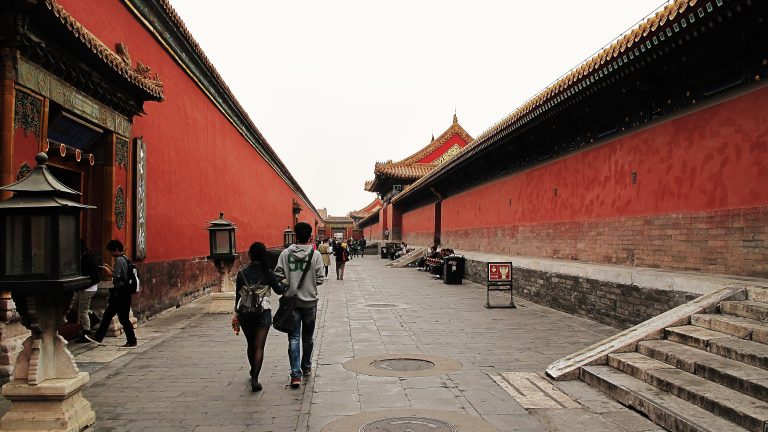
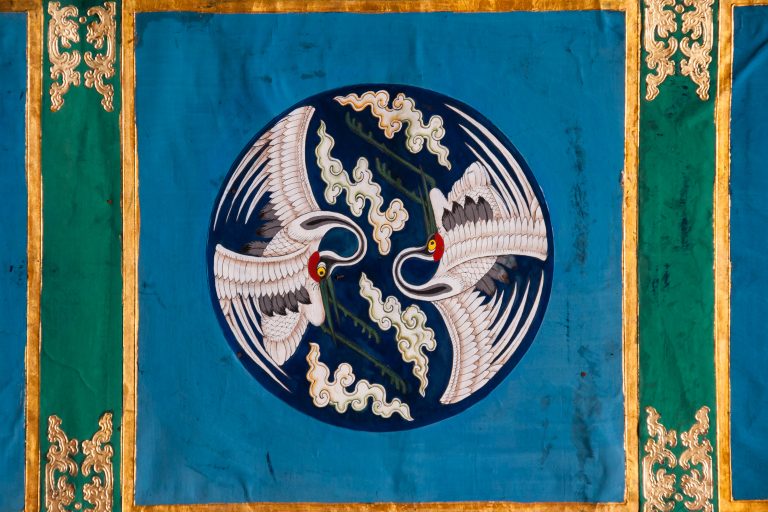
For a visitor, the practical value is contrast. The central route is ceremonial and linear. An east-side walk can reveal narrower passages, smaller gates, painted surfaces, roof details, and the way residential courts fit behind the main sequence. It is not a replacement for the core visit. It is an optional change of pace once you have a stable plan.
Start with the main route, not the map labels
First-time visitors should still begin with the main Palace Museum route. Read the best Forbidden City route guide before arrival, then use the official Palace Museum visitor information for current admission and visitor arrangements. Booking, entry, security, and closing time shape the day more than an ambitious list of secondary courts.
After the central halls and the inner-court transition, make a quick decision: are you still moving comfortably, and is the east side naturally available from the route in use? If both answers are yes, a short side exploration can be rewarding. If either answer is no, continue toward the Imperial Garden and north exit without treating that as a missed visit.
How much time to allow
Allow roughly 45 to 60 minutes for a measured east-side detour, including the time needed to rejoin the main circulation. This is not a promise that every named palace will be open or that visitors can enter every interior. It is a planning allowance for walking, looking, pauses, photographs, and the possibility of a turnback.
Give yourself more time only when the day is genuinely loose. If you have a ticket for the Treasure Gallery or Gallery of Clocks, keep that timed decision separate. A small side route becomes frustrating when it causes you to miss an add-on you deliberately chose.
Use the side route to slow down, not to add pressure
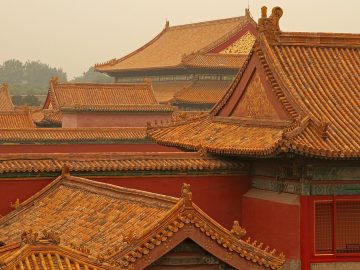
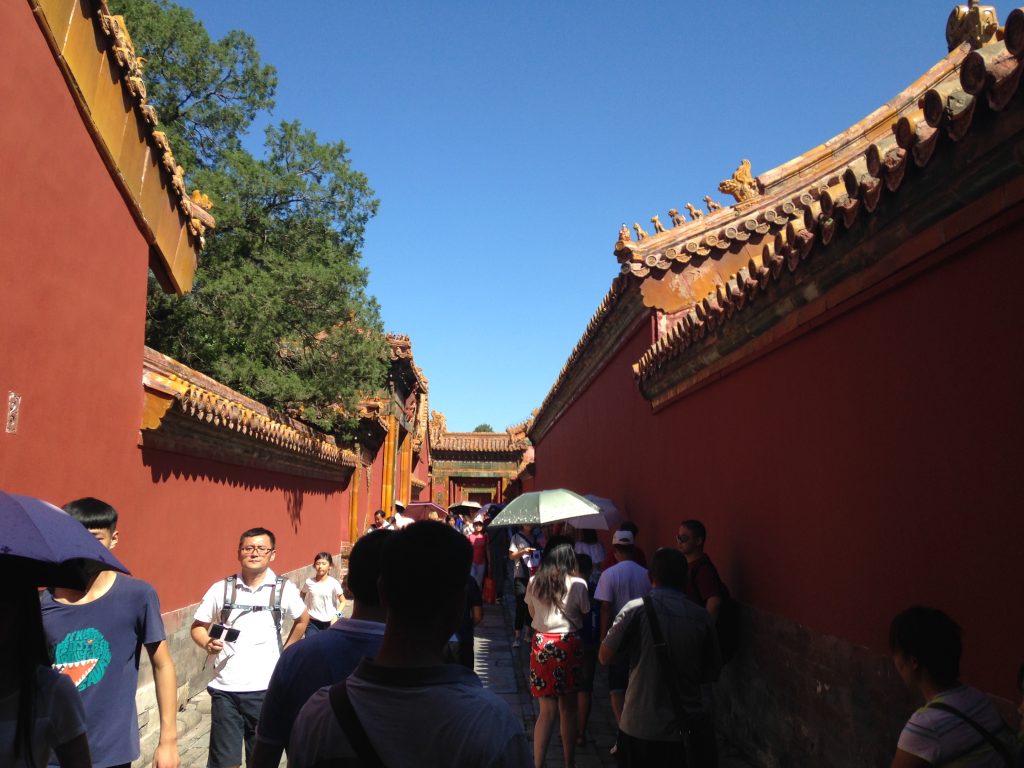
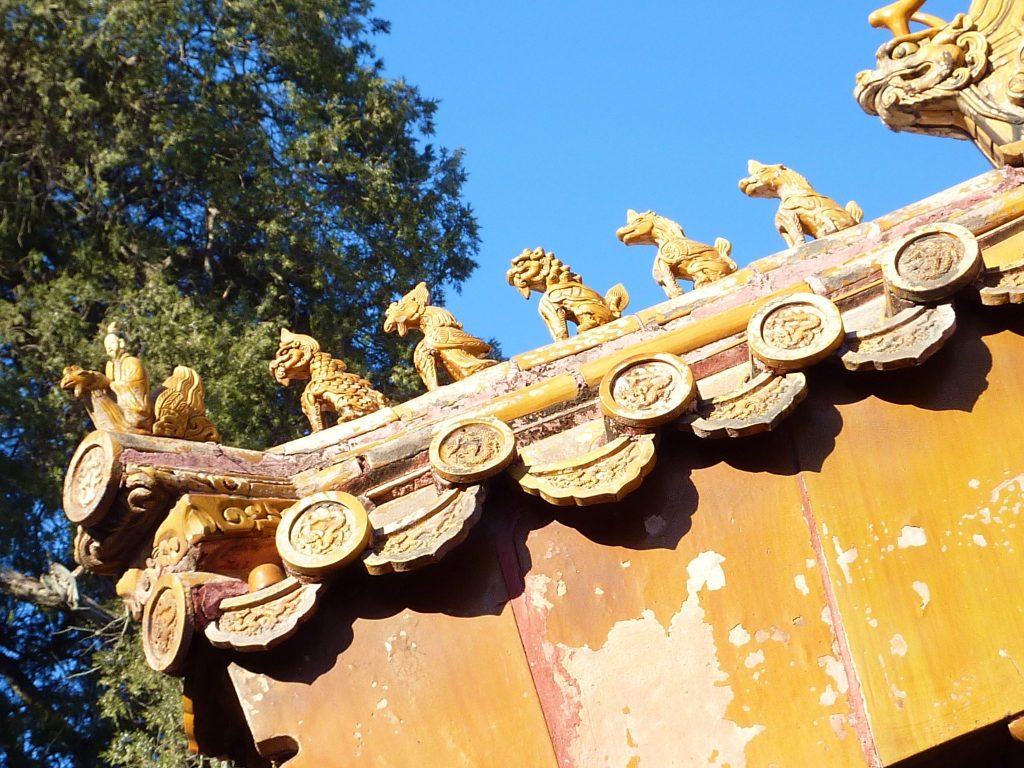
The East Six Palaces reward close observation. Look at the changes in rooflines, painted details, decorative panels, thresholds, and the compressed views between red walls. These details are easy to miss on the main route, where the scale of the formal halls pulls attention forward.
At the same time, avoid stopping in narrow passageways where visitor flow is tight. If a group needs a rest, a map check, or a longer photo pause, move to a place that does not block the direction of travel. The Forbidden City crowd bottlenecks guide is useful for judging when a detour is likely to feel calm and when it will only add friction.
Current access matters more than a fixed checklist
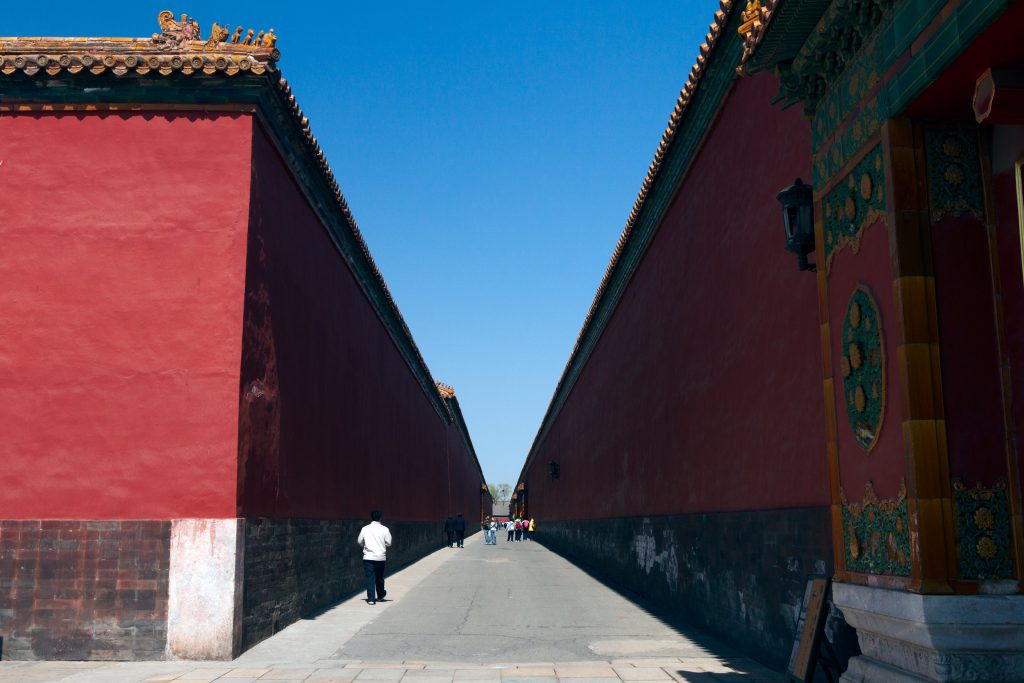
Individual courts can be affected by exhibitions, maintenance, controlled entry, or a visitor route that changes with the day. Do not assume that a historic name on a map guarantees unrestricted public access. Treat any court you can enter or view as part of the current route, and respect barriers even when a photograph or travel video suggests a different arrangement.
This is also why the East Six Palaces should not be used to plan an ultra-tight exit. If you need to be out at a particular time, follow the Forbidden City entrance and exit guide and keep the side route as the first item to remove. The core experience remains complete without it.
A simple route order that works
- Enter according to your booked time and follow the official visitor direction.
- See the main south-to-north sequence before making any side-route decision.
- At the inner-court stage, check time, energy, current barriers, and the location of your next fixed stop.
- If the east side is practical, explore one short section with no expectation of covering all six compounds.
- Rejoin the main visitor flow, then continue to the Imperial Garden and north exit when ready.
When to skip it
Skip the East Six Palaces side route if you arrived late, the main halls are unusually busy, the weather is draining your group, or an important timed stop is still ahead. Visitors with children, strollers, or limited walking tolerance usually get more from a clear central route and a well-timed break than from additional turns through narrow courts.
For a calm finish, use the Imperial Garden guide to decide whether to save attention for the north end. For a broader look at optional nearby and inside-the-palace decisions, the Forbidden City side-routes guide can help you choose one meaningful addition rather than building an exhausting checklist.
Related Forbidden City Guides