Last checked: 2026-06-29. Ticketing, opening, security, and holiday arrangements can change; verify current Palace Museum instructions before travel.
Many first-time visitors picture the Forbidden City as one straight walk from the Meridian Gate to the north exit. That central route is useful, but it is not the whole palace experience. The problem is that side courtyards, quieter lanes, and exhibition areas can either make the visit richer or turn a clear plan into a tiring maze.
This guide helps you decide when to leave the central axis, how to add side routes without losing the day, and when it is smarter to skip them. Before fixing the plan, check official Palace Museum visitor information for current opening, ticket, service, and notice details, especially around holidays, special exhibitions, and temporary closures.
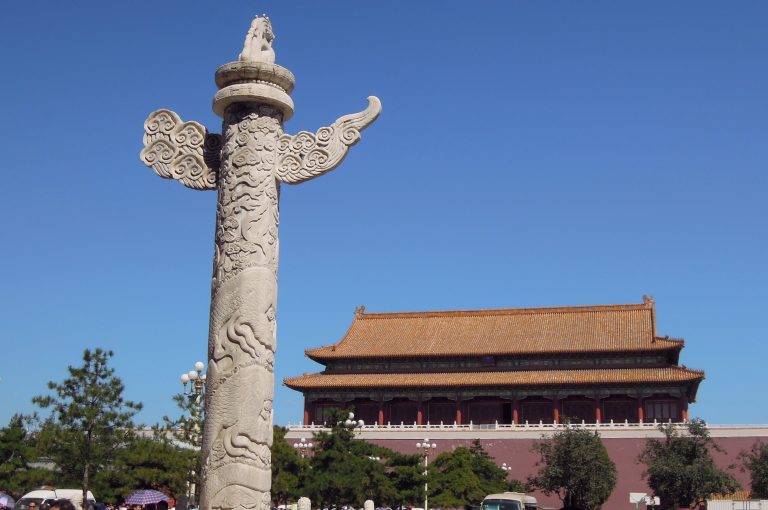
Quick planning snapshot
- Best for a first visit: central axis first, side route only if time and energy remain.
- Best for a slower group: skip most side courtyards and protect the north-exit plan.
- Best for repeat visitors: choose one side area as the main focus instead of trying to add everything.
- Risk point: side routes can feel quiet at first, then create backtracking and late fatigue.
- Current-check rule: exhibition rooms and service details can change, so confirm official notices before relying on a specific stop.
Why the central axis still matters
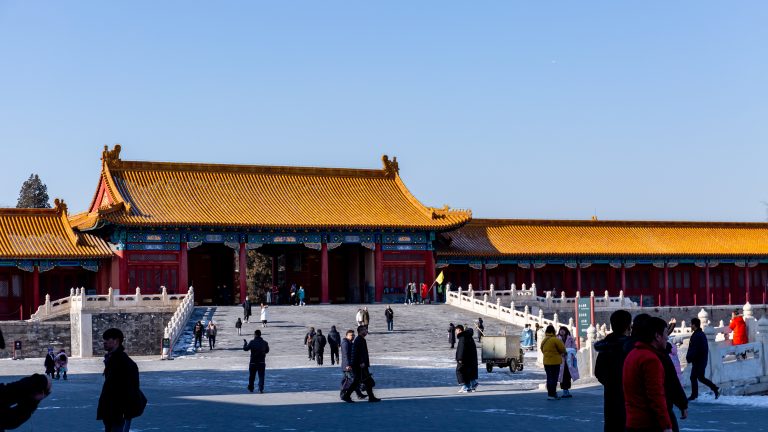
The central axis works because it gives the visit a simple direction. You enter from the south, move through the main ceremonial spaces, continue toward the inner court, pass the Imperial Garden area, and leave near the Gate of Divine Prowess. If you are still learning the basic flow, start with the Forbidden City entrance and exit guide before adding side choices.
The central route also protects your time. It keeps the day legible when the site is busy, when a ticket time is tight, or when your group includes children, older travelers, or anyone who needs predictable rest breaks. It does not show every courtyard, but it keeps the palace visit from turning into a long series of detours.
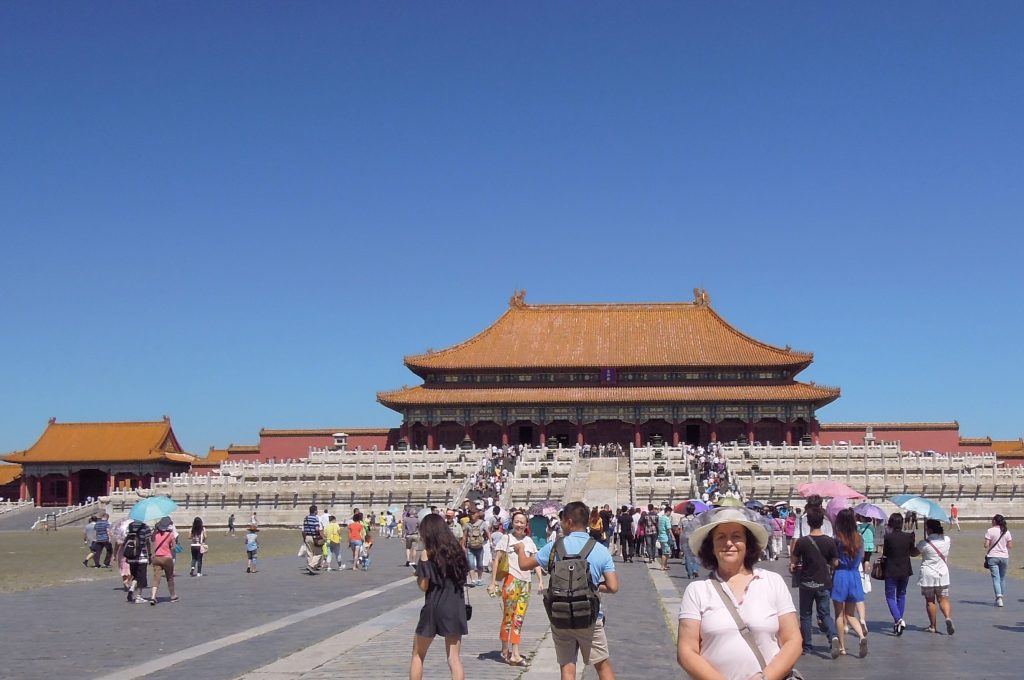
When a side route is worth adding
A side route is worth adding when it answers a clear purpose. Good reasons include wanting a quieter courtyard after the major halls, choosing a specific exhibition area, looking for architectural detail away from the main crowd stream, or building a fuller half-day route rather than a quick highlights visit. If you are still choosing how much time to spend overall, compare the time blocks in the best Forbidden City route guide first.
The safest way to add a side route is to choose one side, not both. A west-side courtyard loop, an east-side palace area, or one paid gallery stop can fit a first visit if you are not rushing. Trying to add every interesting side space usually creates a worse route because each turn adds walking, decision fatigue, and the possibility of missing your preferred north-exit timing.
When to stay on the main route
Stay on the central axis if your ticket day is crowded, your Beijing schedule has a hard next stop, or you entered later than planned. Side routes are not the place to recover lost time. They are most enjoyable when you can slow down, read signs, look at rooflines and courtyards, and still move north without checking the clock every few minutes.
If you already know that crowds are likely to affect your visit, use the Forbidden City crowd bottlenecks guide before deciding on detours. A quiet-looking side lane can help in some moments, but it can also send you into narrow passages where movement slows and the group becomes harder to keep together.
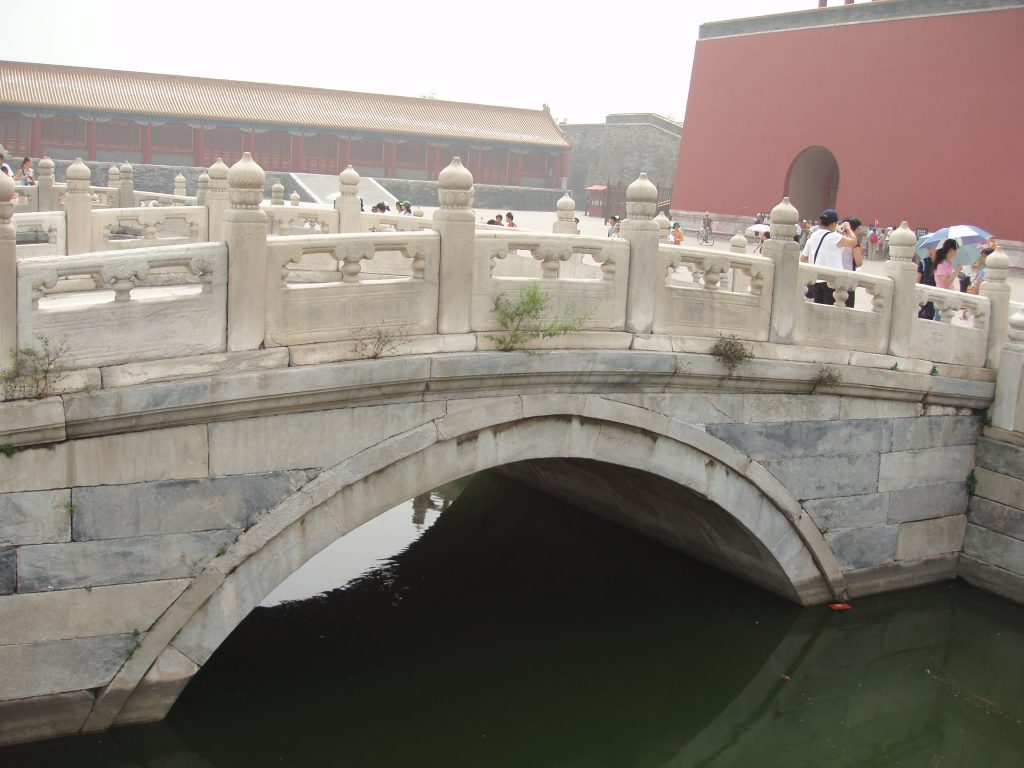
A practical side-route decision
Use a three-step decision. First, protect the must-see route: the main halls, inner court direction, garden area, and north exit. Second, choose one side theme: quieter architecture, an exhibition, photography details, or a short escape from the main crowd. Third, set a turn-back point before you enter the side route. If you reach that point later than expected, return to the main direction instead of adding another courtyard.
This sounds strict, but it makes the visit easier. The Forbidden City is large enough that a five-minute curiosity can become a 25-minute loop. That matters if you still want to reach Jingshan Park after exiting, meet a driver, or continue to another central Beijing stop. For a north-exit finish, the Forbidden City and Jingshan Park route is the better next read.
Side routes for different visitors
First-time visitor with three to four hours: stay mostly central, add one short side courtyard only after the main outer-court sequence. Do not make side exploration the first priority unless you have already seen the core route before.
Repeat visitor: reverse the logic. Choose a side area or exhibition as the purpose of the day, then use the central axis as the route spine. This works better than repeating the same highlight walk and randomly adding corners when you get tired.
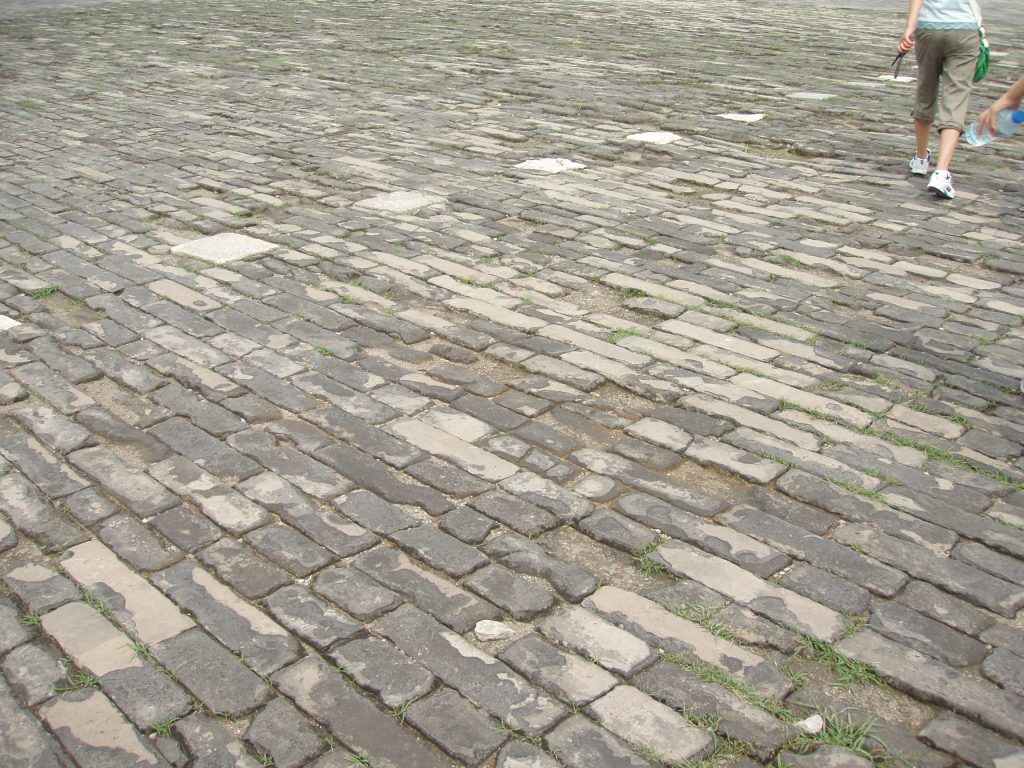
Family or low-stamina group: treat side routes as optional. Stone paving, steps, thresholds, and long open spaces make distance feel longer than it appears on a map. If comfort is a concern, a shorter central route with planned rests will usually beat a more ambitious side-courtyard plan.
How paid galleries fit into the decision
Paid or separately managed gallery areas should be planned as real route choices, not casual add-ons. If a gallery is a priority, give it time and reduce something else. If it is only a maybe, decide before you enter whether the day is about galleries or about the broad palace route. The Treasure Gallery and Gallery of Clocks guide is useful when you are deciding whether extra gallery time belongs in your plan.
The key mistake is assuming that a gallery stop is small because it sits inside the palace complex. Even a compact stop can change pacing, crowd exposure, and the point where your group starts to feel tired. For many visitors, one meaningful side choice is better than three shallow detours.
Common mistakes to avoid
- Leaving the axis too early: see the main direction first unless the side area is your primary goal.
- Adding both east and west sides casually: this is usually too much for a first visit.
- Ignoring exit plans: the palace route should still end cleanly near the north side.
- Using a map as a checklist: proximity does not mean a stop is effortless.
- Forgetting current checks: exhibition access, services, and temporary arrangements can change.
Simple route examples
Short visit: Meridian Gate, main ceremonial halls, inner court direction, Imperial Garden, north exit. Skip side routes unless the site is calm and your group is moving well.
Balanced first visit: central axis first, one side courtyard or gallery after the main outer-court section, then return to the northbound flow. This is the most forgiving version for travelers who want more than the basic route without overloading the day.
Repeat visit: choose one side area as the day’s focus, then connect it back to the central route only where useful. This is the version that makes side courtyards feel intentional rather than like leftovers after the famous halls.
Before you go
Book and confirm the palace visit before building side-route details. If ticket availability, closure patterns, or holiday rules are still uncertain, use the Forbidden City tickets guide for foreign visitors before refining the route. Once the date and entry are secure, choose your side-route rule in advance: no side route, one short side stop, or one focused side area.
That one decision will keep the day calmer. The Forbidden City rewards curiosity, but it also rewards restraint. A strong visit is not the one that covers the most corners; it is the one where the route still works at the north exit.
Related Forbidden City Guides