Last checked: 2026-06-21. Ticketing, opening, security, and holiday arrangements can change; verify current Palace Museum instructions before travel.
A Forbidden City visit can feel easy on a map and slow in real life. The palace route is wide in some places, narrow in others, and full of moments where visitors stop at the same time: ticket and ID checks, the first courtyard, famous halls, photo angles, side-gallery entrances, the Imperial Garden, and the north exit. If you know these bottlenecks before you enter, you can keep the day calmer without rushing through the palace.
This guide is for first-time visitors who want a practical crowd-flow plan rather than a generic warning to arrive early. It explains where people usually slow down, what to do at each point, and when to skip an optional stop. If you are still choosing your entry time, read the Forbidden City opening hours and best entry time guide before finalizing the day.
Quick planning snapshot
- Main problem: visitors slow down in clusters, not evenly across the whole museum.
- Worst planning mistake: adding too many side stops after a slow entrance.
- Best route style: south-to-north central axis with one optional add-on only if the group is moving well.
- Best habit inside: make decisions before each bottleneck, not in the middle of one.
- Current check: review Palace Museum visitor information close to your date, especially around holidays, weather events, and special notices.
Before you travel, check the Palace Museum official visit page for current visitor information. This article focuses on practical route behavior once you are inside or approaching the museum.
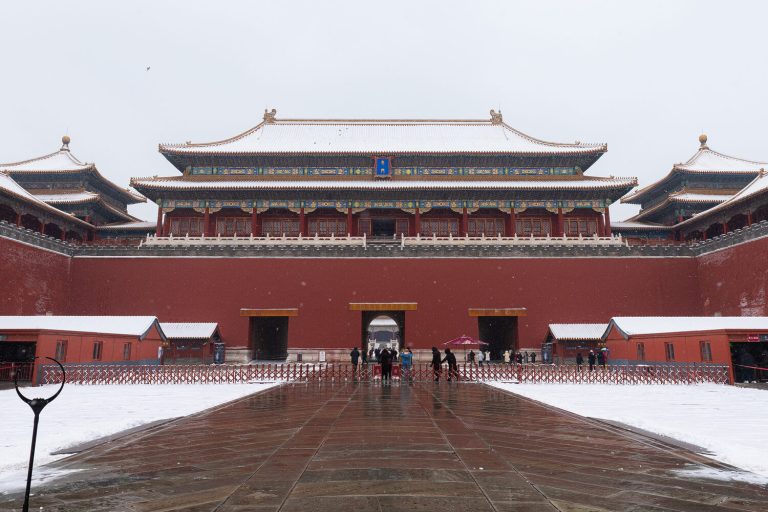
Bottleneck 1: before and around Meridian Gate
The first bottleneck starts before the palace feels like a museum visit. People are still orienting themselves, checking phones, finding passports or IDs, waiting for companions, and passing through entry procedures. A group that arrives without a clear plan can lose energy here before seeing the first major courtyard.
Prepare before you reach the gate. Keep passports, ticket information, and essentials easy to access. Decide who is leading the group through the entry flow. If anyone needs a restroom, snack, or bag adjustment, handle it before the group is committed to the palace route. For more detail on the south-to-north entry pattern, use the Meridian Gate to Gate of Divine Prowess guide.
Bottleneck 2: the first big courtyard
After entry, the space opens up and many visitors relax. That is useful, but it can also create a new kind of slowdown. People stop for first photos, look back toward the gate, spread across the courtyard, and then converge again toward the next ceremonial gate. This is where a self-guided visitor should avoid drifting.
Use the first courtyard as a pace test. If your group is already moving slowly, reduce the rest of the route immediately. Do not wait until the central halls to admit that the day is becoming too full. If the group is moving well, keep the central axis as your base route and save optional decisions for later. The best Forbidden City route guide can help you match route length to the time you really have.
Bottleneck 3: Hall of Supreme Harmony viewing points
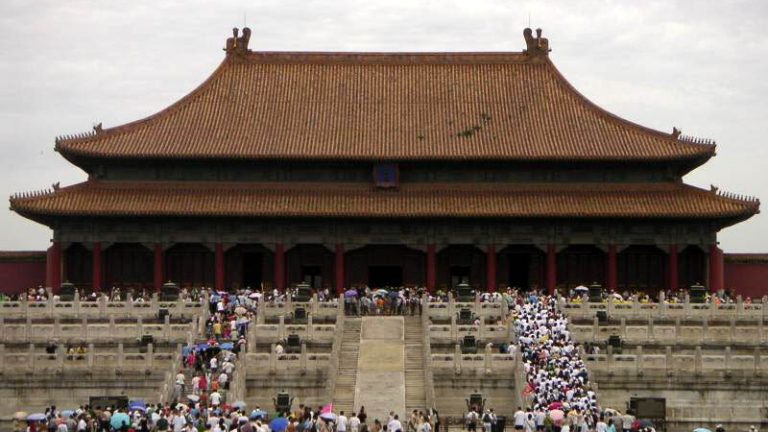
The Hall of Supreme Harmony area is where many first-time visitors want the same photo and the same view. The problem is not only crowd size; it is crowd behavior. People stop suddenly, hold phones high, wait for a clear angle, and hesitate about whether to move closer or step back. If you try to force one perfect position, you may lose more time than the photo is worth.
Use a two-step strategy. First, stand back and take in the scale of the terrace, roofline, and courtyard. Then decide whether the closer view is worth the crowd. If it is not, keep moving. You can still understand the hall without standing at the tightest viewing point. For visitors who want context before arrival, read about the Hall of Supreme Harmony before the trip rather than while standing in the crowd.

Bottleneck 4: side-route hesitation
One of the most common crowd-flow mistakes happens when visitors reach a side route and stop to debate it. A map label, sign, or gallery entrance looks interesting, but no one knows whether it is worth the time. The group stands in the flow, checks phones, and slowly turns a simple route into a negotiation.
Decide your optional stop before you enter the museum. For a first visit, choose one possible add-on: a gallery, a side palace area, a detail-focused stop, or a photo route. Do not add several just because you see signs for them. If paid galleries are the question, compare the time and interest level in the Treasure Gallery and Gallery of Clocks guide before you arrive.
Bottleneck 5: small courtyards and narrow passages
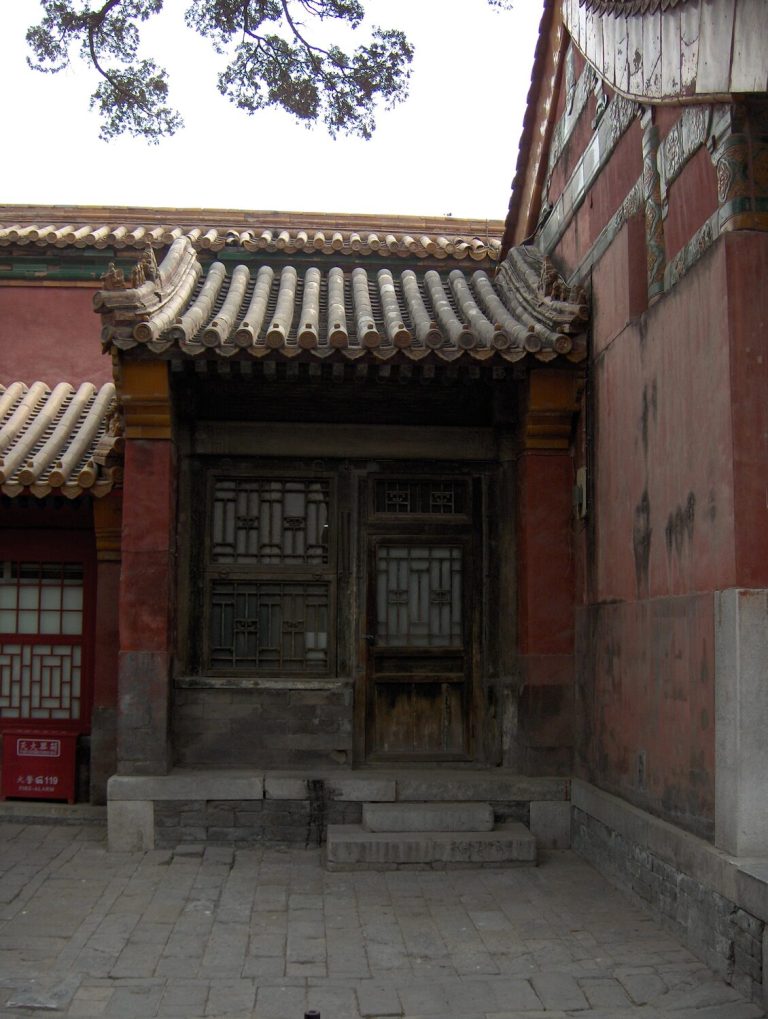
The Forbidden City does not stay wide and open all day. As the route moves north or into side areas, some spaces feel more enclosed. Doorways, thresholds, small courtyards, and photo stops can slow the route even when the crowd is not huge. This matters for families, older travelers, stroller users, and anyone who needs more space to move comfortably.
When the route narrows, stop less often and choose wider waiting points. Do not pause immediately after a doorway or at the base of steps. Move through the tight space first, then regroup in a wider courtyard. If your group needs a slower plan, use an accessibility-first route framework rather than trying to force the full central-axis pace.
Bottleneck 6: Imperial Garden fatigue
The Imperial Garden is a rewarding final section, but it often comes when visitors are already tired. That makes it a different kind of bottleneck. People slow down because they need a break, want final photos, are deciding whether to exit, or are trying to find companions. The garden is not the best place to suddenly add more ambition to the day.
Use the garden as a finish, not a restart. Take a short pause, enjoy one or two details, then continue toward the north exit. If you want to understand what is worth noticing there, read the Imperial Garden guide before the visit rather than trying to study every feature at the end of a long route.
Bottleneck 7: north exit decisions
The Gate of Divine Prowess area can become confusing because the museum visit is ending but the Beijing day is not. Some visitors want Jingshan Park, others want a taxi, some want food, and others are simply tired. If you wait until the exit to discuss the next step, the group may stand around at exactly the moment when it should be moving clear of the exit flow.
Choose the post-exit plan before entering the palace. If Jingshan Park is likely, make sure the group has enough energy before the Imperial Garden. If not, skip it without debate. The Forbidden City and Jingshan Park route can help you decide whether that classic overlook is realistic for your day.

How to keep moving without rushing
- Prepare tickets, ID, and essentials before the entrance flow begins.
- Use the first courtyard to judge the group’s real pace.
- Step back at famous halls before deciding whether to push closer.
- Choose one optional add-on before entering the museum.
- Move through narrow spaces before regrouping.
- Treat the Imperial Garden as a finish, not a new start.
- Decide the north-exit plan before the visit begins.
Bottom line
Forbidden City crowds are easier to handle when you think in bottlenecks instead of just total visitor numbers. The day slows at predictable points: entry, first photos, famous halls, side-route decisions, narrow spaces, the Imperial Garden, and the north exit. If you make decisions before those points, keep optional stops limited, and move clear before regrouping, the palace can feel much smoother even on a busy day.
Related Forbidden City Guides