Last checked: 2026-06-05. Ticketing, opening, security, and holiday arrangements can change; verify current Palace Museum instructions before travel.
The Imperial Garden is easy to underestimate because it comes near the end of the standard Forbidden City route. By the time many visitors reach it, they have already crossed the main ceremonial halls, taken photos, checked the map several times, and started thinking about the north exit. That is exactly why the garden needs a plan: it can be either a rushed walkway to Shenwu Gate or one of the most memorable pauses in the palace.
This guide is for first-time visitors who want to understand what the Imperial Garden adds to a Forbidden City visit, how long to spend there, and how to connect it with the north exit and Jingshan Park. For current opening, ticketing, and visitor notices, check the official Palace Museum visit page before your visit.
Where the Imperial Garden Fits in the Route
The Imperial Garden sits near the northern end of the Forbidden City. On the classic south-to-north route, it comes after the main central-axis palace halls and before the Gate of Divine Prowess exit. This position makes it a natural final pause, not a separate destination you should try to reach from the wrong direction.
If you are still choosing your overall route, start with the best Forbidden City route guide. The Imperial Garden works best when it is treated as the calm northern finish to that route, rather than a place you bolt onto the day after wandering through too many side courtyards.
How Much Time to Spend
For most visitors, 20 to 35 minutes is enough for a useful Imperial Garden stop. That gives you time to slow down, notice the old trees, rockwork, small pavilions, and narrower paths, and still move toward the north exit without stress. If you are tired, traveling with children, or visiting in hot or cold weather, the garden can also become a practical rest point before leaving the museum.
Do not save the garden only for leftover minutes. If you arrive with five minutes before you need to leave, it becomes a crowded corridor. If you reserve a small block of time, it becomes a useful contrast to the formal scale of the central halls.
What to Look For
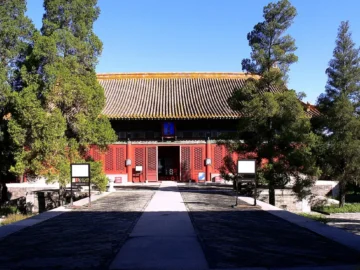
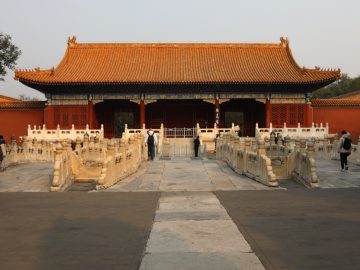
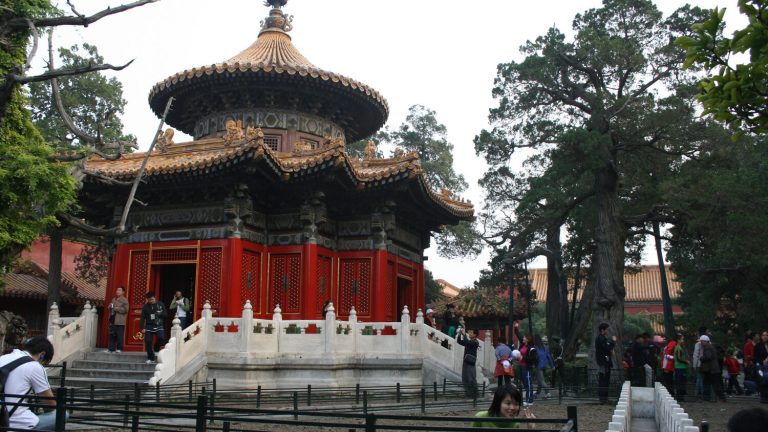
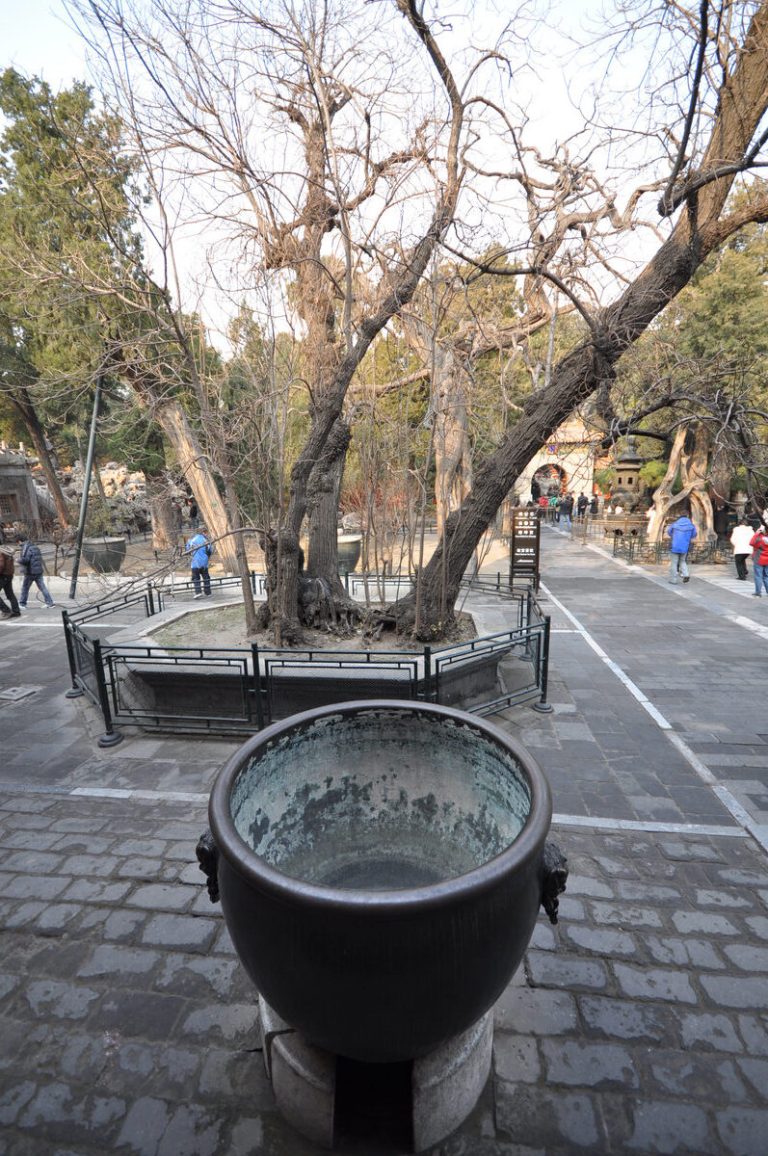
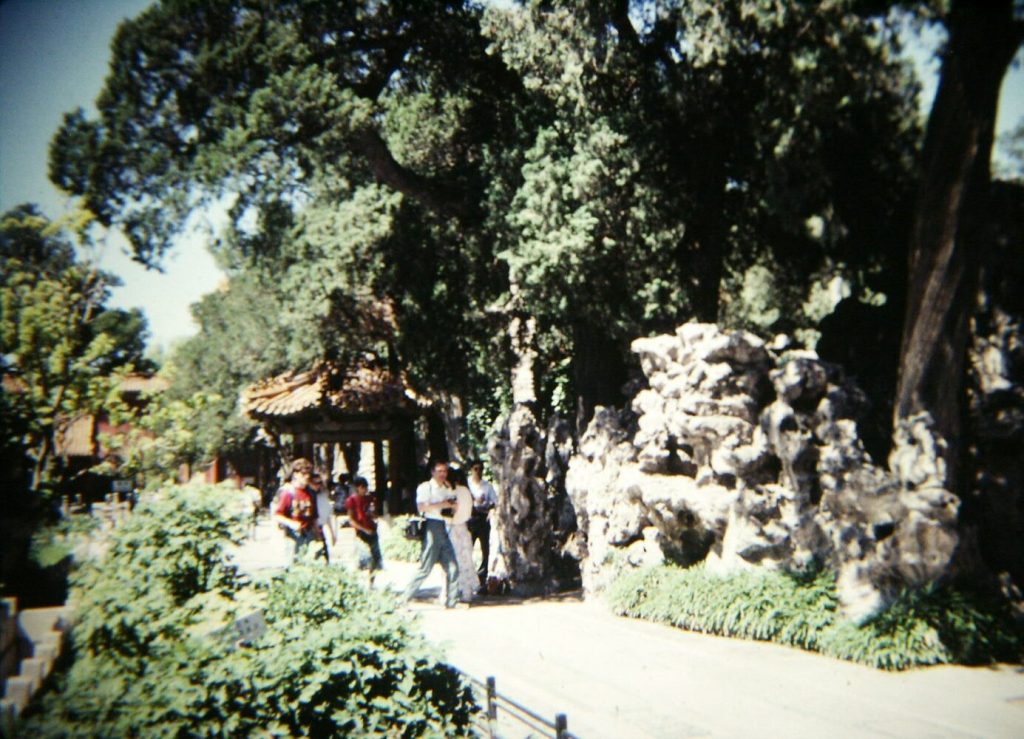
The Imperial Garden is not about one giant hall. Its value is in the change of scale. After the broad stone courtyards and axial halls, the garden feels more compressed and layered: trees, rockwork, small buildings, gates, bronze vessels, and paths that make you look sideways instead of only straight ahead.
Look for three things. First, notice how the garden changes your pace. Second, compare the rooflines and decorative details with the larger halls you have just seen. Third, watch how visitors move through the narrow paths. This helps you decide whether to pause for photos, step aside for a rest, or continue toward the exit.
A Practical Walking Sequence
The simplest way to visit is to enter the garden from the south after the inner court section, move through the central garden area at a slower pace, then continue north toward Shenwu Gate. Do not zigzag across every path unless the garden is quiet and your group still has energy. A single calm pass is better than turning the end of the visit into a confusing loop.
If you need exit orientation, use the Forbidden City entrance and exit guide. The key point is simple: the garden is close to the standard north exit, so your decisions here affect what happens next, especially if you are considering Jingshan Park.
When to Slow Down, and When to Move On
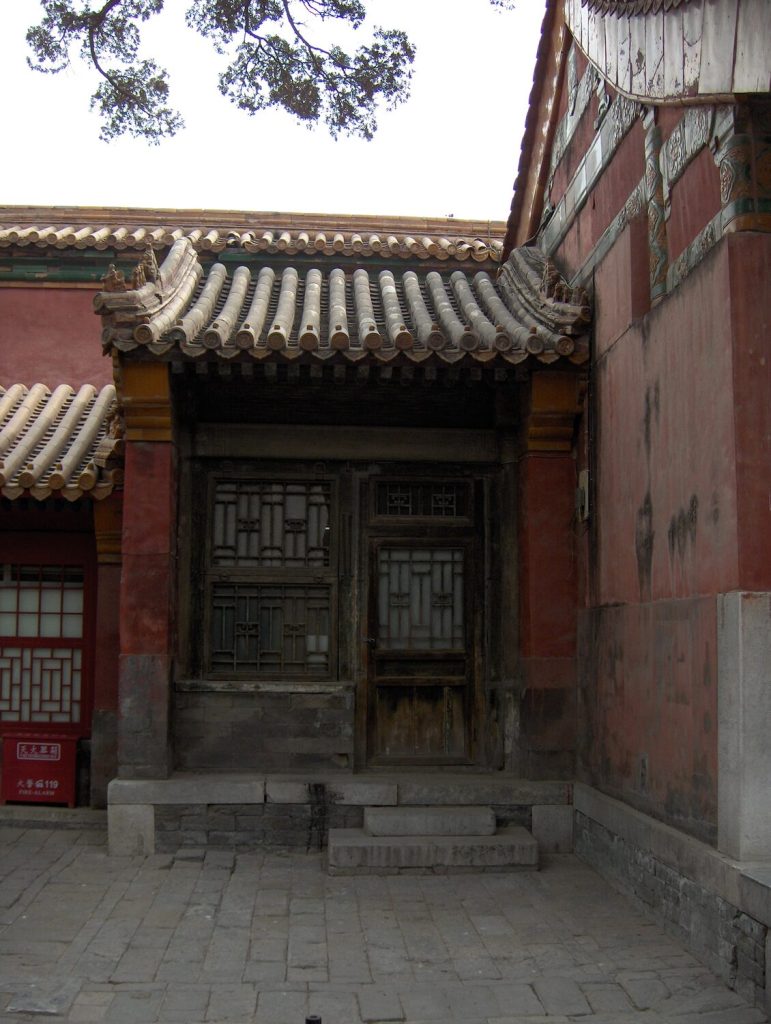
Slow down if the garden is not crowded, the weather is comfortable, or you still want a softer final impression of the Forbidden City. The trees and smaller buildings can make the palace feel more human after the formal halls. This is also one of the better places to let a group reset before leaving the museum.
Move on if the paths are congested, your ticketed time is running short, or anyone in your group is tired. The garden is meaningful, but it should not create a stressful exit. If you are working with limited time from the start, the half-day Forbidden City itinerary gives a tighter way to keep the garden without overloading the day.
Photos Without Blocking the Path
The Imperial Garden is photogenic, but the paths are narrower than the main courtyards. Step to the side before taking photos, and avoid stopping at bottlenecks near gates or popular rockwork. Wide shots can be difficult when crowds build, so look for details: old trunks, roof corners, wall color, railings, and small framed views through trees.
For background on the museum and its official context, use the official Palace Museum website. For visitor planning, keep checking the official visit page for current notices, because museum operations and access details can change during holidays, special events, or maintenance periods.
Should You Add Jingshan Park After the Garden?
Jingshan Park is the natural next decision after the Imperial Garden because both sit at the north end of the Forbidden City route. If the weather is clear and your group still has energy, the park can give you the classic overview looking back over the palace roofs. If you are tired, hot, cold, or short on time, it is better to leave the museum calmly and skip the climb.
Use the Forbidden City and Jingshan Park route before committing to that add-on. Proximity makes it tempting, but the better question is whether the climb fits the day you are actually having.
Simple Imperial Garden Checklist
- Keep the garden near the end of a south-to-north Forbidden City route.
- Reserve about 20 to 35 minutes if you want more than a quick pass-through.
- Look for trees, rockwork, small buildings, roof details, and framed views.
- Avoid blocking narrow paths while taking photos.
- Use the garden as a rest point before the north exit if your group needs it.
- Decide on Jingshan Park after checking weather, energy, and remaining time.
The Imperial Garden is not the largest or most dramatic part of the Forbidden City, but it changes the rhythm of the visit at exactly the right moment. If you give it a little time, it becomes more than the path to the exit. It becomes the place where the palace shifts from ceremonial scale back to human scale before you step outside the north gate.
Related Forbidden City Guides