Last checked: 2026-08-03. Ticketing, opening, security, and holiday arrangements can change; verify current Palace Museum instructions before travel.
The Palace of Compassion and Tranquility, also called Cining Palace, is a west-side inner-court precinct that rewards visitors who have already made sense of the main Forbidden City route. It is not a first stop after the Meridian Gate, and it should not be added automatically just because it appears near other important palace names on a map.
This area works best as a deliberate change of scale: fewer monumental views, more attention to courts, rooflines, plaques, and any collection display available through the visitor route on the day. A successful visit is not measured by entering every room. It is measured by allowing enough time to look carefully without compromising the main route or the northbound exit.
Quick decision guide
- Make the stop if you have completed the central halls, still have 30 to 45 unhurried minutes, and the west-side visitor circulation is clearly available.
- Check current display access because exhibitions, room access, barriers, and the route through the precinct can change.
- Keep it optional when your entry time is late, your group is tiring, or you have a fixed pickup or timed reservation after the Palace Museum.
- Do not combine every west-side point into one long detour. Choose this precinct or a broader West Six Palaces walk according to the day’s actual pace.
- Use the public route rather than an old floor plan or video. Staff guidance and current barriers decide what is practical to see.
Where Cining Palace fits
Cining Palace lies west of the main inner-court line. It makes more sense after the formal central sequence, not before it. First-time visitors should still start with the Palace Museum’s core south-to-north progression so the large ceremonial courts and the later inner-court spaces have a clear relationship.
Before travel, read the official Palace Museum visitor information and use the Forbidden City tickets guide for foreign visitors to settle ticketing and entry. The Palace Museum’s current direction of travel, security arrangements, and access notices are more useful than any fixed assumption about a side route.
Why the current display matters
The precinct is associated with Palace Museum collection displays, including sculpture presentations, but the useful rule is to treat a display as a possibility to confirm rather than a guaranteed appointment. Individual rooms, objects, exhibition labels, and photography conditions may differ from older descriptions or travel videos.
When the route and display are available, this can be a good contrast to the big palace halls: the pace is slower, the rooms are more contained, and the viewing experience may be more object-focused. When access is limited or the day is already tight, the outside architecture and a clean return to the main flow are enough.
How much time to allow
Plan roughly 30 to 45 minutes for a measured west-side stop, including walking, viewing from the available route, and returning to the main visitor circulation. Give yourself more time only when the rest of the day is genuinely flexible. A listed palace name does not mean that every interior is open or that every path is two-way.
Visitors who arrive later in the day should use the late-entry afternoon route as the priority. It is better to finish the main visit calmly than to squeeze in a side precinct and lose the margin needed for the north exit. The entrance and exit guide helps keep onward transport realistic.
What to look for
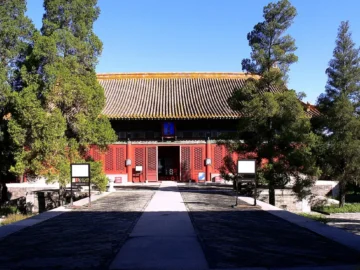
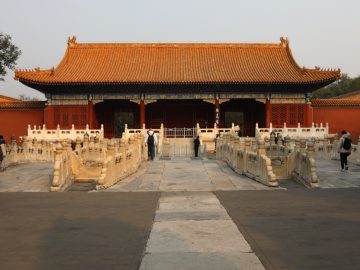
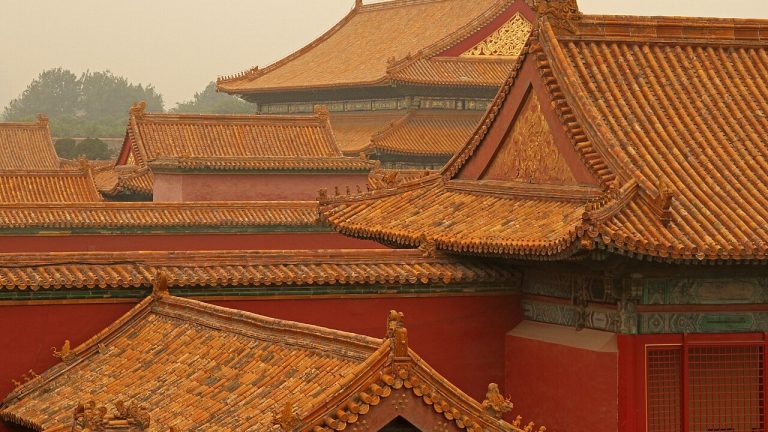
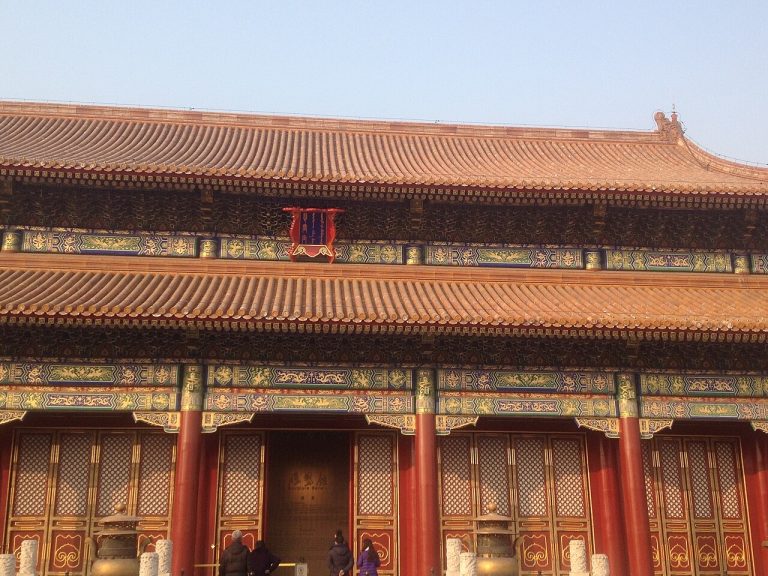
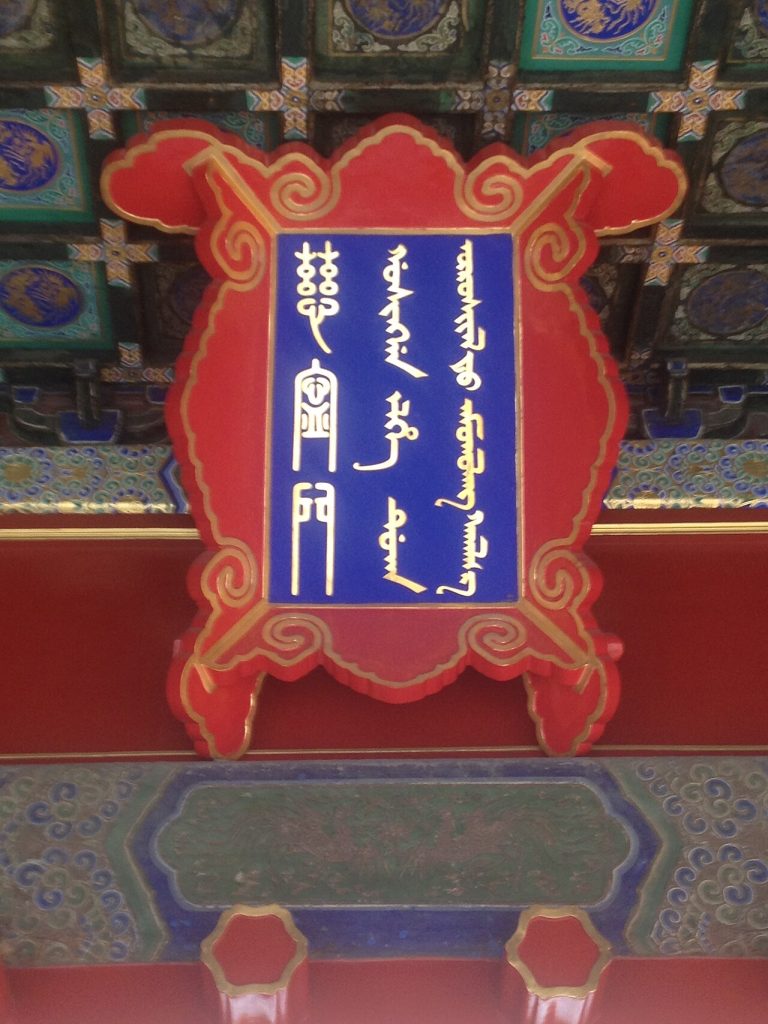
Start with the relationship between the rooflines and the court, then look at plaques, painted timber, doorframes, stone bases, and the transitions between open and enclosed spaces. These details are easier to appreciate here than on the busiest parts of the central axis, where many visitors are moving toward the next large hall.
Keep passages clear while you pause. If a group needs to review a map or take a longer photograph, step aside where the visitor flow is not constricted. A short side route should make the day more attentive, not create pressure for the people moving behind you.
Cining Palace or the West Six Palaces?
The West Six Palaces guide is useful for visitors considering a broader residential-court detour. Cining Palace is a more focused west-side stop. If your interest is current collection display and one architectural precinct, Cining Palace may fit. If your time is loose and the route is open, the West Six Palaces offer a wider change of scale.
Do not plan both as mandatory. The Hall of Mental Cultivation route guide covers another nearby inner-court point that may be a better use of limited time on a particular day. Select the stop that is naturally reached through the active visitor route, then keep the rest for a return visit.
A practical route order
- Confirm current Palace Museum visitor instructions before setting out.
- Enter at the booked time and follow the main route first.
- At the inner-court stage, check time, energy, barriers, and any fixed commitment later in the day.
- Use the current west-side route to reach Cining Palace only when it fits naturally.
- View the architecture and any currently available collection display at an unhurried pace.
- Rejoin the main flow and continue to the public exit without forcing a second long side route.
Related Forbidden City Guides