Last checked: 2026-07-27. Ticketing, opening, security, and holiday arrangements can change; verify current Palace Museum instructions before travel.
The West Six Palaces are a cluster of smaller residential courts on the western side of the Forbidden City’s inner court. They are not a separate attraction with a separate ticket, and they are not a shortcut to the north exit. They work best as an optional side route after the main palace sequence is already secure.
For many first-time visitors, the practical decision is simple: take this detour only when the main route is complete, the visitor circulation in use makes it natural, and you still have enough energy for slower looking. On a crowded day or a tight schedule, staying on the main south-to-north route is usually the better visit.
Quick decision guide
- Take the west-side route when you have seen the central halls, have at least 45 to 60 unhurried minutes, and do not have a fixed north-exit commitment.
- Keep it optional when your ticket time is late, your group is tiring, or you have chosen a timed gallery or an afternoon reservation elsewhere in Beijing.
- Do not plan every courtyard from an old map. Current barriers, restoration work, exhibitions, and crowd management determine what is practical to view.
- Choose one side route rather than forcing both the East and West Six Palaces into the same visit.
- Respect the route in use even when a historic palace name appears nearby on a map or in an older video.
What the West Six Palaces are
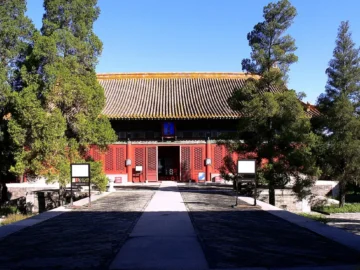
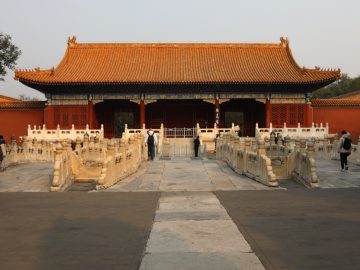
In the inner court, the West Six Palaces refer to a group of residential compounds west of the central line. Their courts and passages are more intimate than the vast ceremonial spaces around the three great halls. For a visitor, that difference in scale is the point: after the broad south-to-north procession, the west side can make the palace complex feel more like a sequence of connected living courts.
That does not make the area a mandatory add-on. Historic buildings can be viewed from different distances depending on the day’s access arrangement, and individual interiors may not be open for entry. Treat visible details, current barriers, and staff direction as the real itinerary rather than a promise that every named location can be entered.
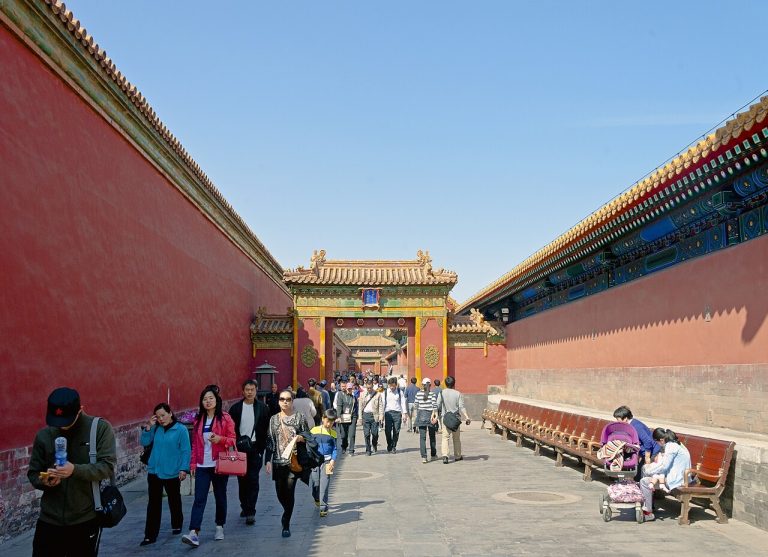
Protect the main Palace Museum route first
Start with the official Palace Museum visitor information, then use the Forbidden City tickets guide for foreign visitors to prepare your booking and arrival. The Palace Museum does not sell tickets on the day of the visit, so the ticket and entry sequence matter more than an ambitious list of secondary courts.
Once inside, follow the best Forbidden City route through the main sequence before considering the west side. The formal route provides the clearest first understanding of the complex. A west-side detour is more enjoyable when it is added after that foundation, not when it interrupts it.
When the west-side detour makes sense
A good moment to decide is after you have moved into the inner-court portion of the visit and can judge your actual pace. If your group is still comfortable, the visitor route is clear, and you have no timed obligation, allow 45 to 60 minutes for a measured exploration and the time needed to return to the main flow.
Skip the detour when it would make the rest of the day anxious. The late-entry afternoon route is a better reference for visitors arriving after lunch, while a rest-break plan helps groups who need to keep pace and comfort ahead of extra courts. A complete visit does not require every side palace.
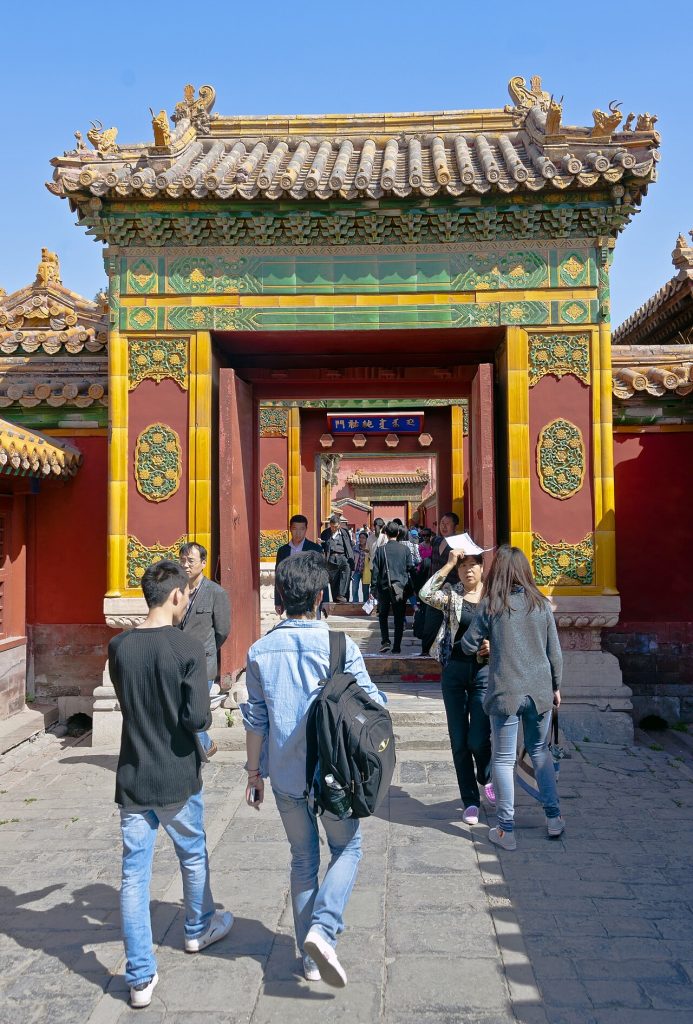
What to notice without turning it into a checklist
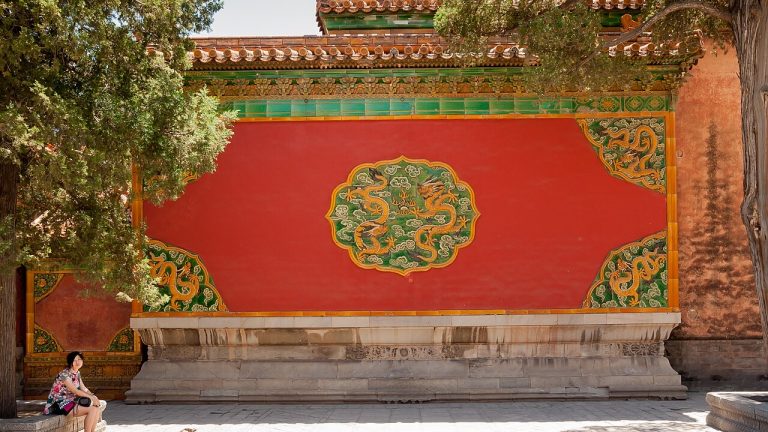
Look first at the change in scale: narrower passages, smaller gates, painted beams, glazed ornament, court entrances, and framed views between red walls. These details are easy to miss on the main route, where the large ceremonial buildings naturally pull attention forward.
Named palaces can provide context, but do not use them as a race. Pause only where the route leaves room for it, keep doorways and passages clear, and follow photography restrictions or staff guidance around interiors. The value of the side route is attention to the setting, not proof that every label on a map was reached.
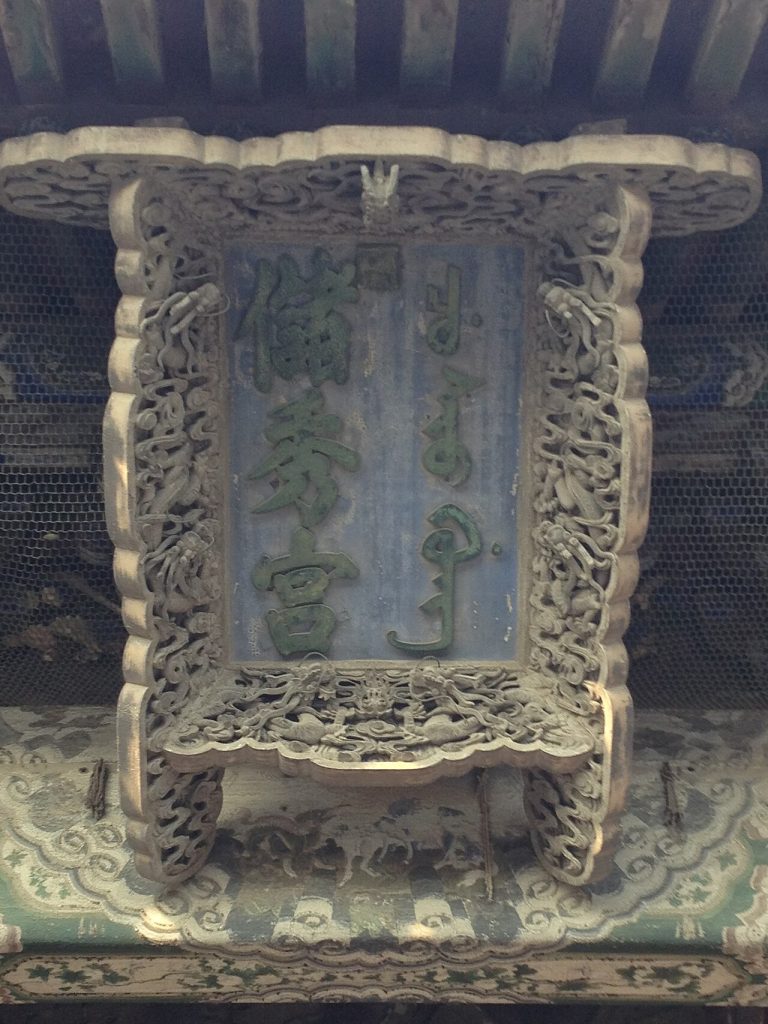
West Six Palaces or East Six Palaces?
Choose the side that fits the route and conditions you actually encounter. The East Six Palaces side-route guide covers the eastern group, but the same rule applies on both sides: select one calm detour rather than adding repeated crossings and turnbacks to an already long palace day.
Visitors with a strong interest in historic residential architecture may choose a side route on a return visit. First-time visitors with a short window should usually keep the central halls, inner-court transition, and northward finish intact. If crowd flow is already tight, the crowd bottlenecks guide can help you recognize when a side route will add more friction than value.
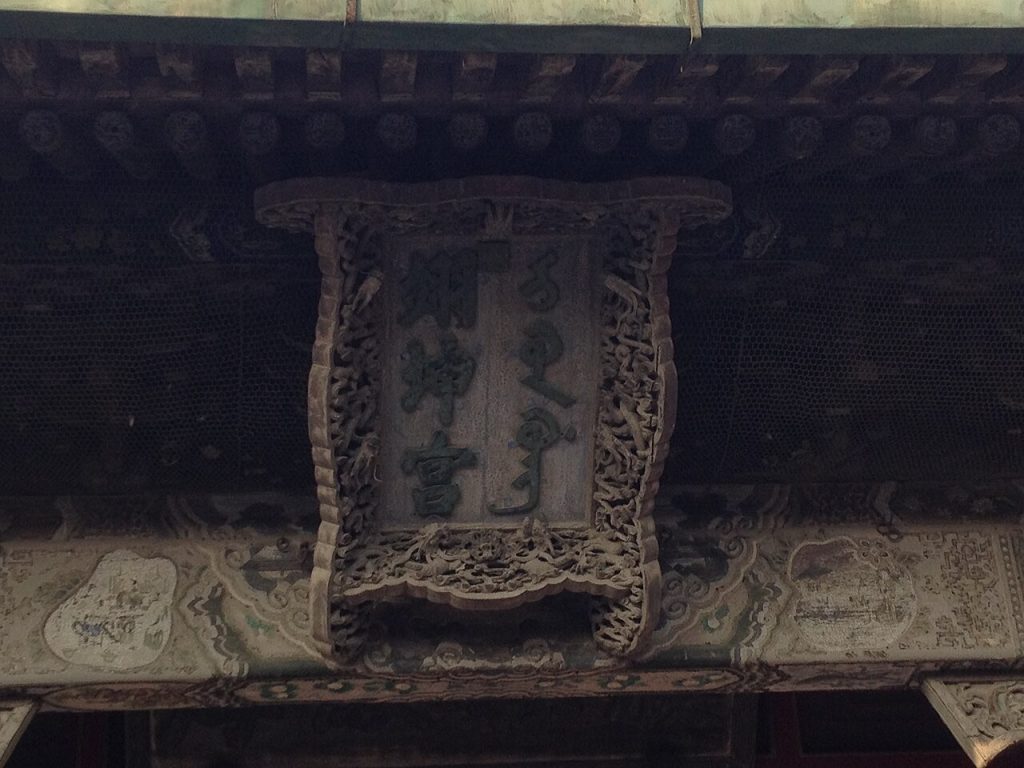
A simple route order
- Confirm the current official Palace Museum access instructions before travel.
- Enter at your booked time and follow the main visitor direction.
- See the core south-to-north sequence before considering a side route.
- At the inner court, check your time, energy, current barriers, and next fixed commitment.
- Take the West Six Palaces detour only when the route is naturally available and the day remains unhurried.
- Rejoin the main circulation and leave through the visitor exit in use, using the Forbidden City entrance and exit guide if you need to plan onward transport.
Related Forbidden City Guides