Last checked: 2026-06-15. Ticketing, opening, security, and holiday arrangements can change; verify current Palace Museum instructions before travel.
The Hall of Union and the Palace of Earthly Tranquility sit in the Inner Court after the Palace of Heavenly Purity and before the Imperial Garden. Many first-time visitors reach this part of the Forbidden City tired, take a few photos, and move on without understanding why the route suddenly feels more private and domestic than the Outer Court.
This guide explains how to read the Hall of Union and the Palace of Earthly Tranquility as a visitor. It focuses on where they fit, what to notice, how long to stop, and how to connect them with the Palace of Heavenly Purity before and the Imperial Garden after.
Quick Planning Snapshot
- Location: on the central Inner Court route, north of the Palace of Heavenly Purity and south of the Imperial Garden.
- Best for: understanding the emperor-empress axis, court life, seals, marriage space, and the transition toward the garden.
- Time needed: about 15 to 25 minutes for both buildings on a normal first-time route.
- Common mistake: treating them as minor halls after the main palace route instead of the center of the Inner Court sequence.
- Route advice: slow down briefly here, but save energy for the Imperial Garden and north exit.
Where They Fit in the Inner Court
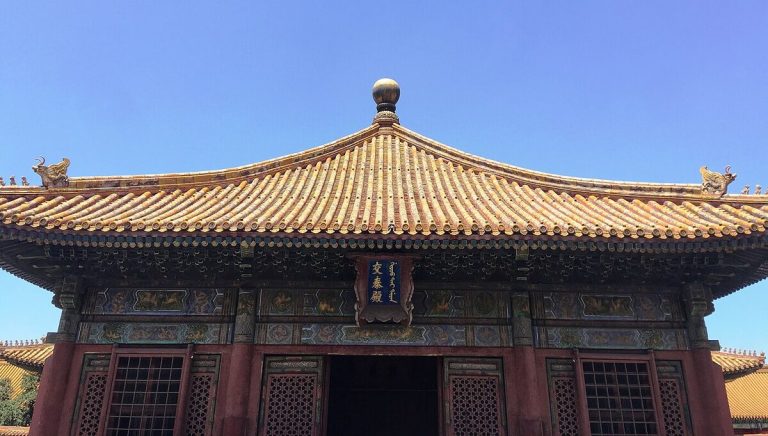
The standard Forbidden City route moves from the grand ceremonial halls of the Outer Court into the Inner Court, where imperial residence, family life, ritual, and daily governance become more important. The Palace of Heavenly Purity usually marks the visitor’s first major Inner Court stop. After it come the Hall of Union and the Palace of Earthly Tranquility, then the route continues toward the Imperial Garden.
If you have not looked at the earlier Inner Court stop, read the Palace of Heavenly Purity guide first. If you need the full south-to-north framework, use the Meridian Gate to Gate of Divine Prowess route guide before your visit. The Hall of Union and Palace of Earthly Tranquility make the most sense when you see them as the middle of the Inner Court, not as isolated buildings near the end of a long walk.
Hall of Union: Small Hall, Big Meaning
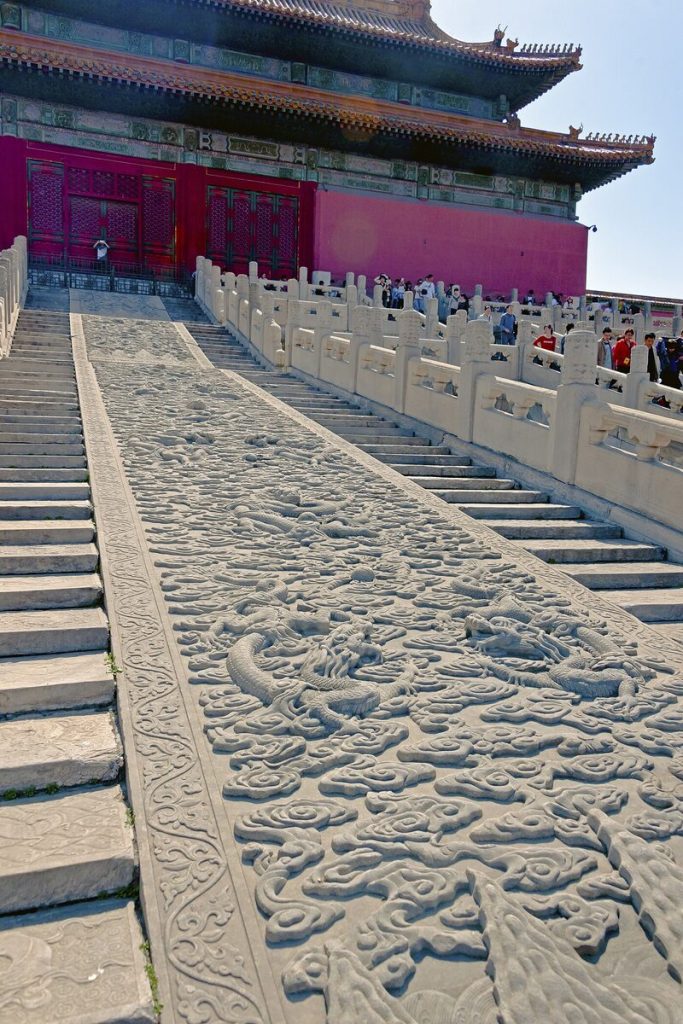
The Palace Museum’s official building page describes the Hall of Union, or Jiaotai Dian, as a Ming-dynasty Inner Court hall rebuilt and restored over time. It stands between the Palace of Heavenly Purity and the Palace of Earthly Tranquility. Its name and position express harmony between heaven and earth, emperor and empress, and the balanced order of the inner palace.
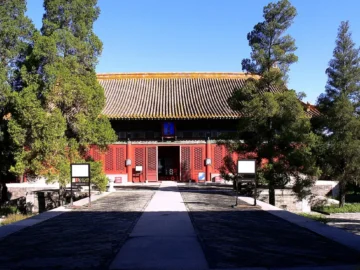
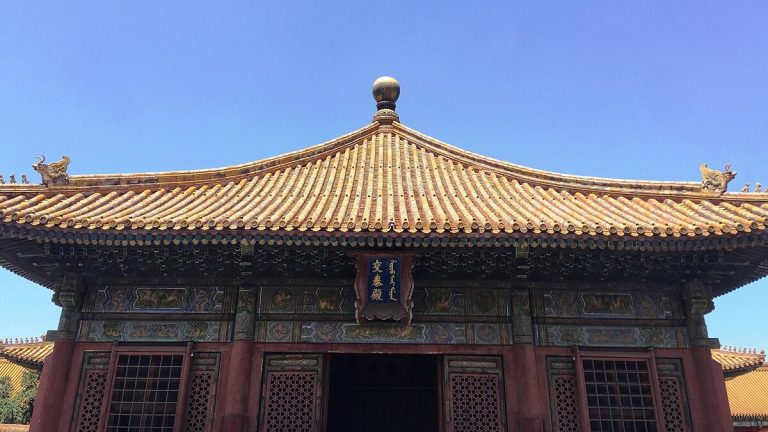
For visitors, the Hall of Union is not about size. It is about symbolism and objects. It is closely associated with imperial seals and with the ceremonial center of the Inner Court. When you reach it, stop thinking in terms of the largest building and start looking for placement, axis, doorway views, plaque details, and the way a smaller hall can hold a large amount of political meaning.
A practical stop here can be short. Look at how the hall sits between the larger residential palaces, check the interior view if visitor flow allows, then step aside for photos. If you are doing a Forbidden City half-day itinerary, this should be a focused reading stop rather than a long detour.
Palace of Earthly Tranquility: Empress, Ritual, and Marriage Space
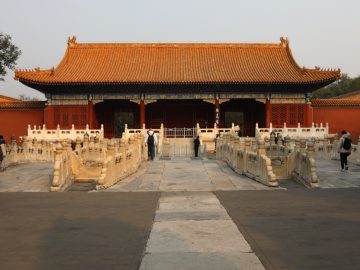
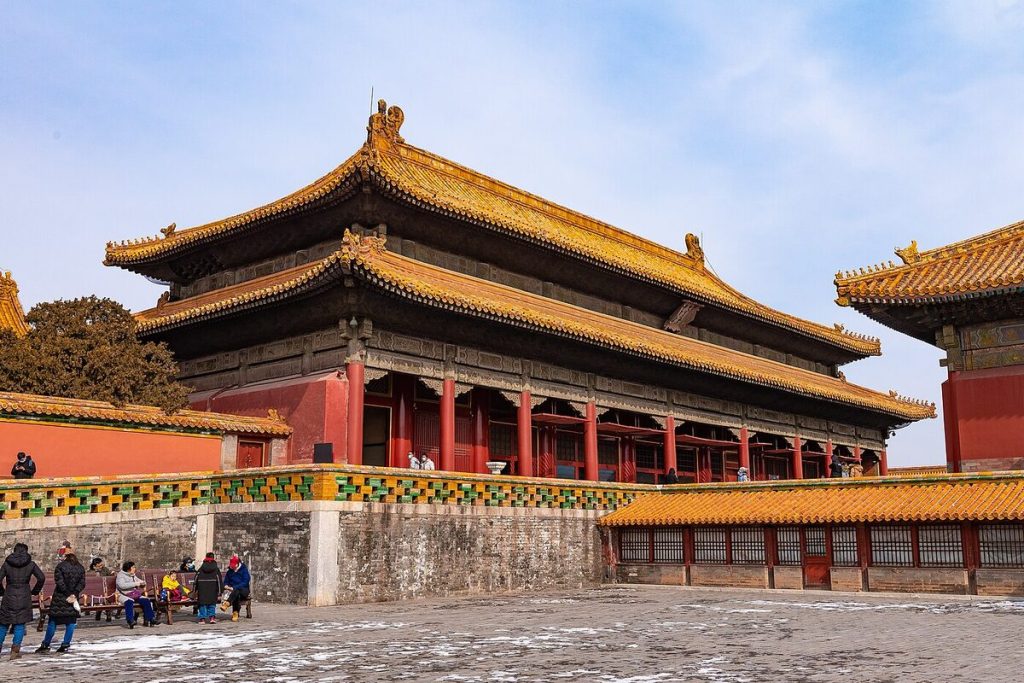
The Palace of Earthly Tranquility, or Kunning Gong, stands north of the Hall of Union. The Palace Museum’s official building page explains that it was an important palace of the Inner Court, rebuilt and adapted in the Qing period. It is especially associated with the empress, ritual use, and imperial marriage space.
For a first-time visitor, the key is to notice how different this building feels from the Outer Court halls. You are no longer standing in the vast ceremonial front court. The scale, naming, and associations are now tied more closely to imperial household order. That shift helps explain why the Forbidden City is not just a chain of impressive roofs; it is a carefully organized palace world.
If the area is crowded, do not force a long stop directly in front of the doorway. Look from the side, read the building sign, take one or two photos, then continue north. The value here is understanding the sequence, not collecting every possible angle.
How Long Should You Spend Here?
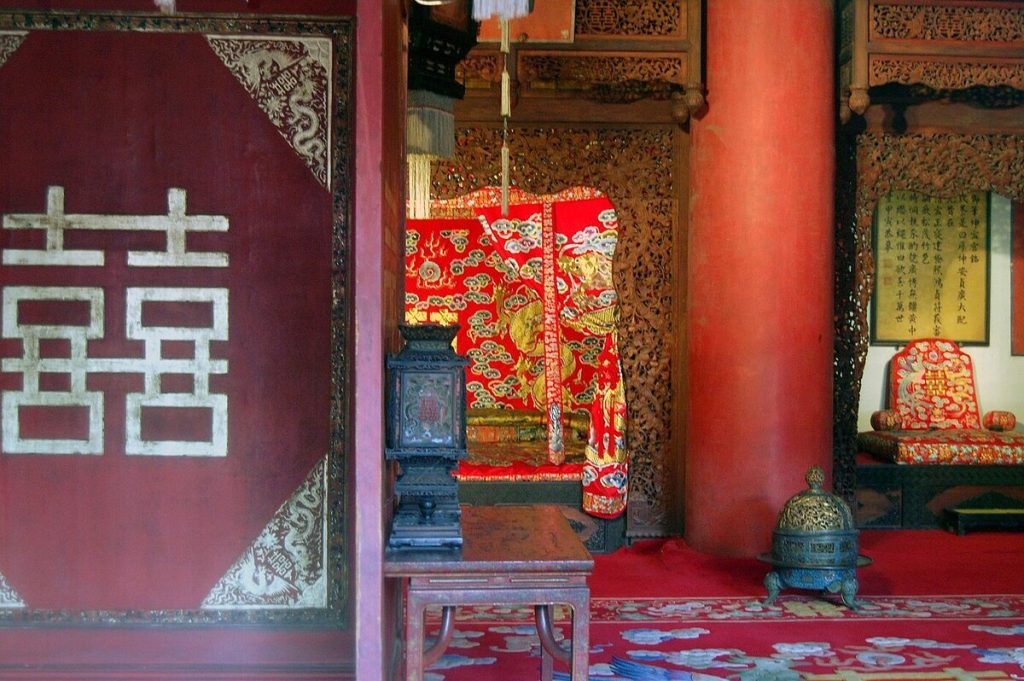
Most visitors should give the two buildings together about 15 to 25 minutes. That is enough time to read the signs, understand the order after the Palace of Heavenly Purity, look at the interior views, and take photos without losing too much energy for the Imperial Garden. If you are especially interested in imperial family life, rituals, or Qing palace culture, you can stay longer, but remember that the route still has important stops ahead.
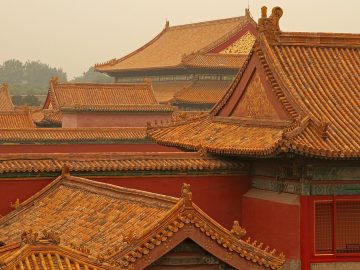
The biggest mistake is mental fatigue. By the time many visitors reach the Inner Court, every building starts to look like another red wall and yellow roof. Use a simple memory device: Palace of Heavenly Purity introduces the Inner Court, Hall of Union connects the axis, Palace of Earthly Tranquility brings in empress and marriage associations, then the Imperial Garden softens the route before the north exit.
What Comes Before and After
Before this section, the route has passed through the Outer Court sequence, including the Three Great Halls. If you want to connect the two halves of the palace clearly, read the Hall of Central Harmony and Hall of Preserving Harmony guide together with this guide. It explains the ceremonial halls that come before the Inner Court change in scale.
After the Palace of Earthly Tranquility, continue toward the Imperial Garden. The garden is not just a pleasant ending; it is a major route landmark before the Gate of Divine Prowess. The Imperial Garden guide helps you decide how much time to keep for trees, rockwork, pavilions, and the north-exit decision.
Photo and Crowd Tips
The Inner Court is narrower than the Outer Court platforms, so photo behavior matters. Step to the side before photographing doors, plaques, or interior views. Avoid blocking thresholds because many visitors are moving in the same northbound direction. If you want a cleaner image, look for diagonal views across the courtyard rather than standing directly in the central stream.
Morning light can be clearer, but most visitors reach this area after already spending time in the Outer Court. In summer, keep the stop efficient and drink water before the garden. In winter, the courtyards can feel cold and exposed, so do not linger only because the route guide says a hall is important.
Official Sources to Check
For current ticketing, opening, and visitor service information, use the Palace Museum official visitor page and the Palace Museum international Visit page. For building background, the Palace Museum’s official pages for the Hall of Union and Palace of Earthly Tranquility are the best starting points. If your visit falls during holidays, bad weather, or special events, check current Palace Museum notices before relying on any fixed route timing.
Simple Visitor Checklist
- Secure your Palace Museum ticket before building a detailed route; use the Forbidden City ticket guide if needed.
- After the Palace of Heavenly Purity, slow down enough to recognize the Hall of Union.
- At the Palace of Earthly Tranquility, connect the building with empress, ritual, and marriage associations.
- Do not block doorway views or narrow walking lines for photos.
- Save time and energy for the Imperial Garden and north exit.
- Use the Inner Court sequence as a story: residence, union, earthly tranquility, garden.
The Hall of Union and the Palace of Earthly Tranquility reward visitors who slow down for the logic of the palace. They are not the biggest buildings in the Forbidden City, but they help the Inner Court make sense as a carefully ordered world between imperial power and imperial household life.
Related Forbidden City Guides