Last checked: 2026-07-20. Ticketing, opening, security, and holiday arrangements can change; verify current Palace Museum instructions before travel.
Beijing Ancient Observatory is a compact and distinctive east-side addition after the Forbidden City. It is not another palace compound or a broad indoor museum: its draw is the historic terrace, the astronomical instruments, and the way the site connects imperial Beijing with the study of the sky.
The pairing works only with a focused Palace Museum visit and a current ticket check for both sites. The observatory is east of the Forbidden City, near Jianguomen, but it is not close enough to treat as an automatic walk-on after a full palace day. Plan a real transfer, protect the observatory’s current last-entry time, and keep the second stop compact.
Quick decision guide
- Good fit: you enjoy scientific history, instruments, and architecture; have an early Palace Museum entry; and are happy with a 60 to 90 minute observatory visit.
- Book separately: the Palace Museum ticket does not cover the observatory, and the observatory’s current ticket and opening notice should be checked independently.
- Use an eastbound transfer: follow the exit actually in use at the Palace Museum, then choose the practical taxi or public-transport option for the day.
- Keep the Palace Museum selective: do the main axis and one optional area, not every gallery and side route.
- Skip the pairing: if the observatory’s current entry window is tight, the weather is exhausting, or your group needs a low-walking afternoon.
Why this pairing is different
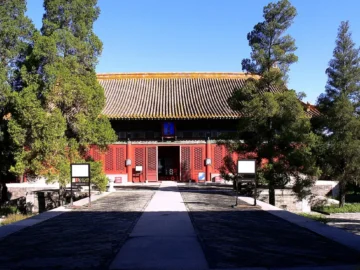
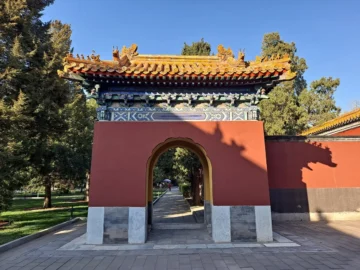
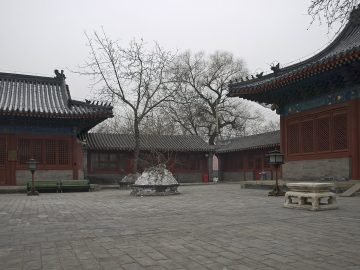
The Forbidden City is read through a long procession of courtyards, gates, and palace halls. Beijing Ancient Observatory is much smaller and asks for a different kind of attention: instruments, measurement, sight lines, and the relationship between the historic platform and the surrounding city. That contrast makes it a strong choice for travelers who want one focused afternoon stop rather than another large scenic area.
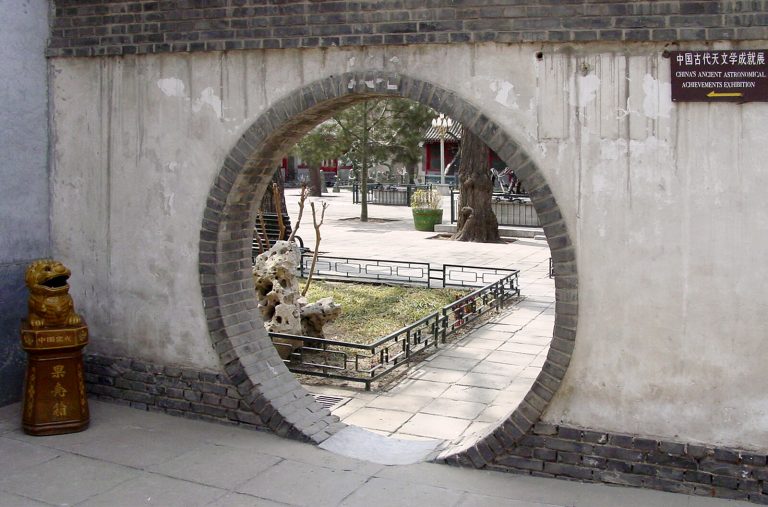
The Beijing Planetarium’s official observatory pages describe the terrace instruments and the exhibition on ancient Chinese astronomy. Use those pages for the current visitor notice, and do not rely on a date or closure pattern copied from an older itinerary. The official Beijing Ancient Observatory information is the right starting point before you buy a ticket or arrange transport.
Secure the Palace Museum plan first
The Palace Museum remains the day’s fixed commitment. Confirm entry through the official Palace Museum visitor information, then use the Forbidden City tickets guide for foreign visitors to prepare the booking details and arrival plan.
For this combination, aim for a focused main route rather than a full-day palace sweep. The three great halls, inner court, and an intentional finish are enough. The best Forbidden City route guide can help you make that choice before arrival. If you find yourself still deep in optional galleries late in the day, keep the observatory for another date instead of rushing it.
Do not force a particular Palace Museum exit
Because the observatory lies east of the palace area, an eastbound departure makes geographic sense. However, visitor circulation, gates, barriers, events, and staff instructions can change. Treat the eastward direction as a travel preference, not an entitlement to a particular gate.
Follow the route that is open and directed on the day, then make the transfer from a practical pickup or subway point. The Forbidden City entrance and exit guide and the Forbidden City transport plan are useful for building that margin into your day.
Tickets, opening, and last entry: check the current observatory notice
The observatory publishes its own ticketing and opening information. Its schedule can include a regular weekly closure and occasional special arrangements, so confirm the exact visit date before you leave the Palace Museum. Keep the observatory ticket, entry requirements, and last-entry time as separate planning items rather than assuming museum rules in Beijing are interchangeable.
For visitors using passports or overseas payment methods, confirm the official purchase route early enough to solve any identity or payment issue without sacrificing the Palace Museum entry. The best same-day plan has both admissions settled before the morning begins. If the observatory availability is uncertain, make it an optional afternoon addition rather than the reason to compress the palace visit.
How long to allow
Allow about 60 to 90 minutes inside the observatory, plus the city transfer and entry time. That is enough for the historic platform, the outdoor instruments, and the exhibition at a measured pace. It is not a place to rush through in the final minutes before closing, especially if you want to understand what you are looking at rather than simply photograph the instruments.
In hot, wet, or crowded conditions, make the timing more conservative. The Palace Museum is a substantial outdoor walk, while the observatory includes outdoor viewing as well. Pack water and sun or rain protection according to the season; the Forbidden City packing list is a useful starting point for the first half of the day.
What to see once you arrive
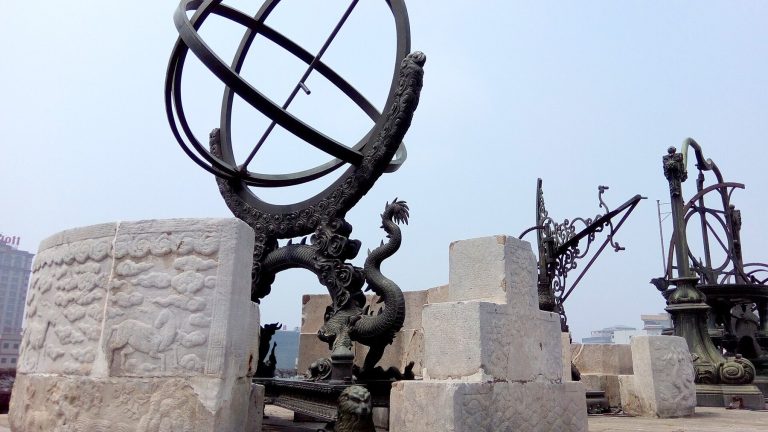
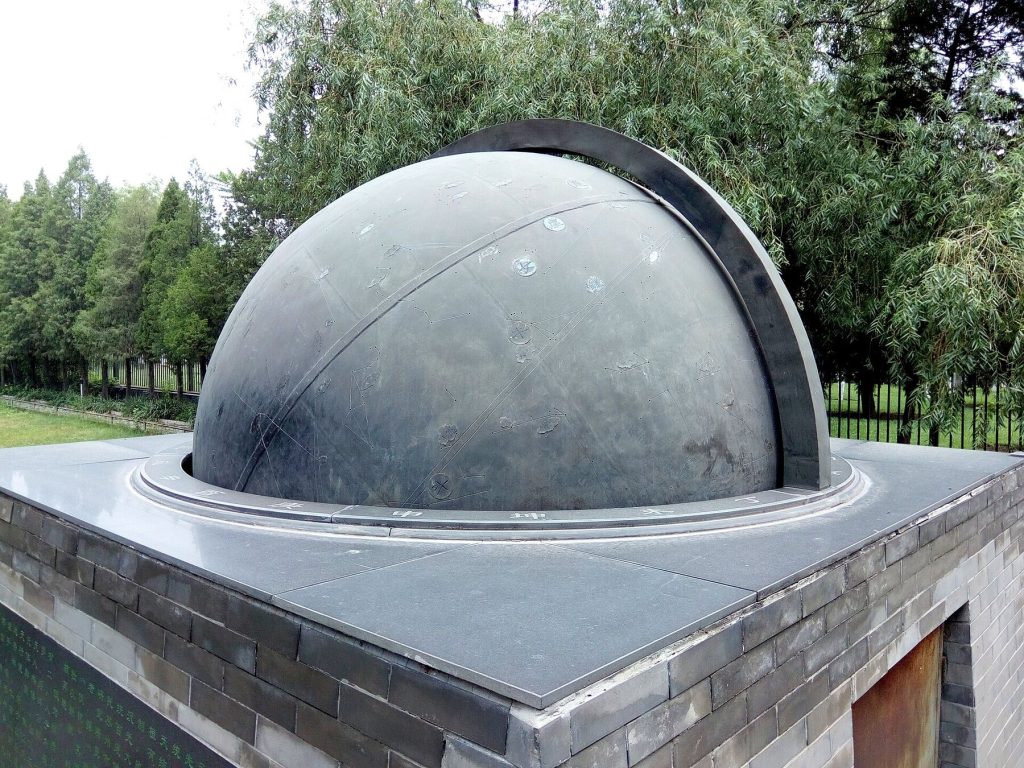
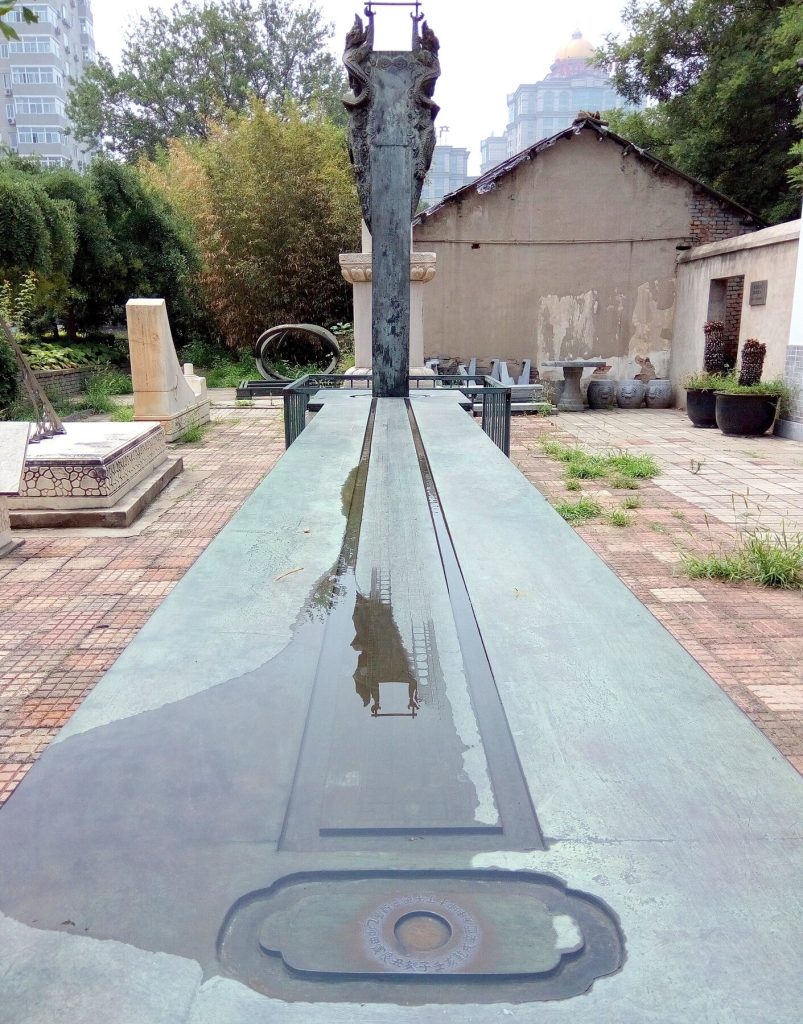
Start with the terrace instruments, then use the exhibition to place them in context. The instruments are the reason to visit, so leave time for the armillary forms, celestial globe, and sundial rather than treating the terrace as a quick photo stop. Read the onsite labels or use the current official explanation where available; the value of the observatory is in the connection between the objects and their observational purpose.
Respect the barriers and current circulation. Historic sites can have steps, narrow points, weather-exposed surfaces, and routes that do not suit every visitor. If a wheelchair, stroller, or limited stamina is part of your group, review the Forbidden City accessibility guide for the palace day and confirm the observatory’s current access arrangements directly before committing to the second stop.
When to choose another afternoon instead
Choose another plan if the Palace Museum is already taking a full day, your observatory booking is not confirmed, or the transfer would leave too little time before the current last-entry cut-off. The Ancient Observatory is rewarding precisely because it is compact; it loses that advantage when it becomes a race across the city.
For a shorter afternoon entirely within the palace visit, the Forbidden City late-entry route is a better fit. For a different east-side continuation with a separate historical setting, see the Forbidden City and Imperial Ancestral Temple same-day guide. Choose one meaningful continuation, confirm the current official rules, and leave enough time to enjoy it.
A practical route order
- Confirm separate official Palace Museum and Ancient Observatory access before the morning.
- Enter the Palace Museum at the booked time and follow a focused main route.
- Leave optional galleries or side routes for another day if they erase the transfer margin.
- Follow the exit and visitor routing actually in use, then travel east by the practical option available that day.
- Check in at the observatory with enough time for its current entry procedure and terrace visit.
- Finish without relying on an old closing time or an optimistic map estimate.
Related Forbidden City Guides