Last checked: 2026-06-18. Ticketing, opening, security, and holiday arrangements can change; verify current Palace Museum instructions before travel.
A Forbidden City visit is possible for many travelers who need a slower pace, but it should not be planned like a normal museum day. The Palace Museum is a vast historic palace complex with stone paving, raised thresholds, wide open courtyards, narrow side routes, and crowd pressure around the central halls. If someone in your group uses a wheelchair, pushes a stroller, walks with a cane, or simply tires easily, the best plan is a short, direct route with clear exit choices.
This guide is for travelers who want to see the main palace experience without turning the day into an endurance test. It focuses on route order, where to slow down, what to skip, and how to use official service information before you commit to a ticket time. For ticket and passport planning, read the Forbidden City tickets guide for foreign visitors before finalizing your day.
Quick planning snapshot
- Best route style: south to north, with a reduced central-axis plan.
- Start: Meridian Gate area on the south side.
- Finish: Gate of Divine Prowess on the north side, unless your group needs an earlier rest or route adjustment.
- Best pace: choose fewer halls, pause in courtyards, and avoid unnecessary side loops.
- Biggest mistake: assuming a wheelchair or stroller makes every side route equally easy.
- Current check: confirm the Palace Museum official visit and service pages before you go, because service points, access routes, exhibitions, and crowd controls can change.
The official Palace Museum English site includes a Visit / Service Map section with visitor facilities such as service centers, lavatories, first aid, stroller rental, exits, and accessibility information. Treat that official page as the current source for services. Treat this page as a practical route-planning guide for making those services work inside a long, crowded palace complex.
Who should use this route
Use this slower route if your group includes a wheelchair user, an older traveler, a child in a stroller, someone recovering from an injury, or anyone who can walk but needs frequent pauses. It also works for travelers visiting in hot weather, cold weather, or after another demanding Beijing stop. The Forbidden City is not difficult because of one single climb; it is difficult because of repeated small decisions: where to cross, where to wait, whether to enter a side courtyard, and how much energy to save for the north exit.
If this is your first visit, do not try to combine every famous hall, paid gallery, photo stop, and nearby park. A successful accessible visit is one where the group exits with energy left, not one where every courtyard on the map has been checked off. If your group is mostly walking but has young children, the Forbidden City with kids guide is a useful companion, especially for toilet timing, stroller expectations, and rest pacing.
Before booking: check the route, not just the ticket
For slower travelers, the ticket is only one part of the plan. You also need to know how the group will reach the entrance, how long security and ID checks may take, where the first real pause can happen, and whether everyone is comfortable continuing north after the main halls. The Palace Museum route is usually planned from south to north, so changing your mind halfway through is not as simple as turning around in a small gallery.
Start by checking whether the date is a weekend, school holiday, summer travel period, major public holiday, or a day with extreme weather. Crowds make accessibility harder even when the ground itself looks manageable. If your Beijing schedule is flexible, avoid the most crowded periods. If your dates are fixed, reduce the route and give the group more buffer time before the next booking.

Recommended accessible route: short central axis
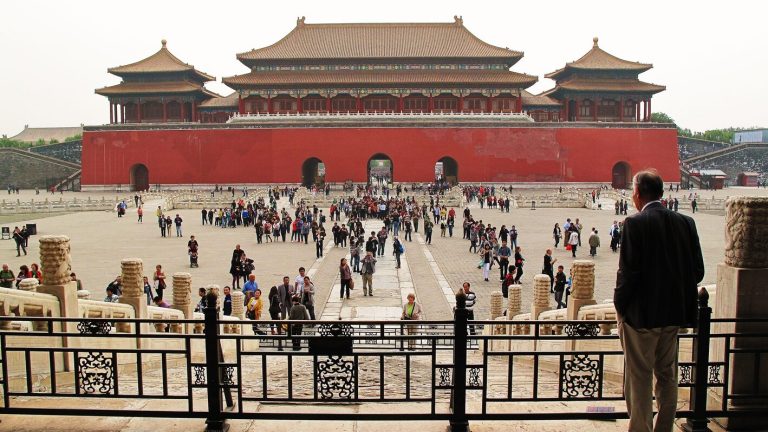
The most practical reduced route is a south-to-north central-axis visit. Begin at the Meridian Gate, move through the first large courtyard, continue toward the Hall of Supreme Harmony area, pass the central halls at a measured pace, and then decide how much of the Inner Court and Imperial Garden is realistic before heading to the north exit. This is not the most complete route, but it keeps navigation simpler and avoids many side-court detours.
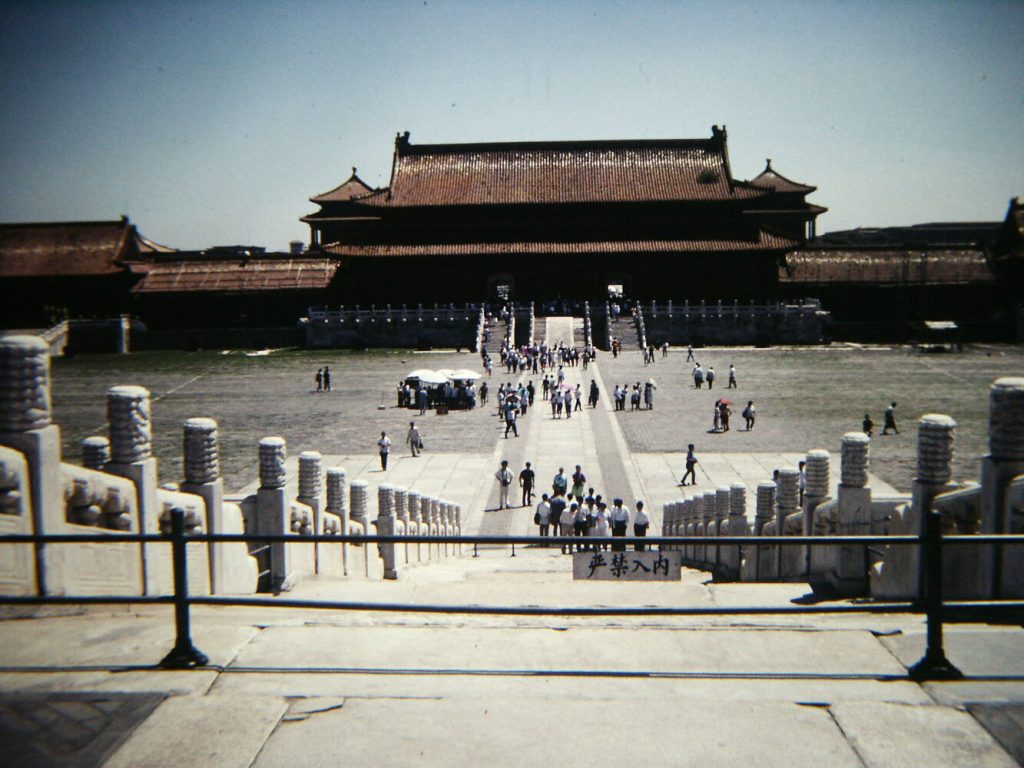
The first important decision comes soon after entering. The outer courtyards are broad, but they are exposed to sun, wind, cold, and crowds. Do not rush this section just because it looks open. If your group is already moving slowly here, treat that as useful information. It may be better to enjoy the main halls from the courtyard level and skip optional side galleries than to spend energy early and struggle later near the north side.
For a normal first-time visitor, a half-day plan can include extra viewing time and side stops. For a wheelchair, stroller, or low-stamina group, use the Forbidden City half-day itinerary only as an upper limit, not as a must-follow checklist. Your accessible version should have fewer stops and longer pauses.
Where the day can become difficult
The difficult parts are not always dramatic. Stone paving can be tiring for wheelchairs and uncomfortable for small stroller wheels. Raised thresholds and steps around historic halls can interrupt an otherwise smooth-looking route. Popular viewing points can become crowded, making it hard to stop without blocking the flow. In summer, open courtyards can feel much hotter than shaded streets outside the museum. In winter, wind and cold can shorten the group’s patience quickly.
Because of this, avoid building the visit around interior access to every hall. Many of the most memorable views are from courtyards and terraces, and those views are often enough for a first visit. If a side gallery or paid gallery is important to your group, make it the main optional add-on rather than one of many extras. Choose one paid gallery only if it is important enough to become the main optional add-on for your group.
Rest stops and service points
Do not wait until someone is exhausted before looking for a rest stop. Use the official service map before your visit and note the rough location of service centers, lavatories, first aid, stroller rental, and exits. Once inside, confirm signs and staff guidance on the day. A service point on a map may still take time to reach if the route is crowded or if your group is on the wrong side of a courtyard.
The best rest strategy is to pause before transitions: before moving from the first courtyard into the central hall area, before deciding on a side gallery, before entering the Imperial Garden, and before exiting north. These are natural points where the group can reassess. If someone is already tired before the Inner Court, skip extra detours and keep moving gently toward the exit.
Strollers and family mobility
A stroller can help with tired children, but it is not a perfect solution inside the Forbidden City. Large courtyards are helpful, but thresholds, uneven paving, crowd bottlenecks, and side routes can make pushing tiring. Bring a compact stroller if possible, keep bags light, and avoid using the stroller as a substitute for a realistic route. If the child can walk part of the route, save the stroller for long exposed sections rather than fighting every threshold with it.
Families should also think about security and bag weight. A small bag with water, weather protection, and essentials is easier than a heavy daypack. If luggage or large bags are part of your Beijing day, read the Forbidden City luggage and security check guide before setting out.
What to skip when energy is limited
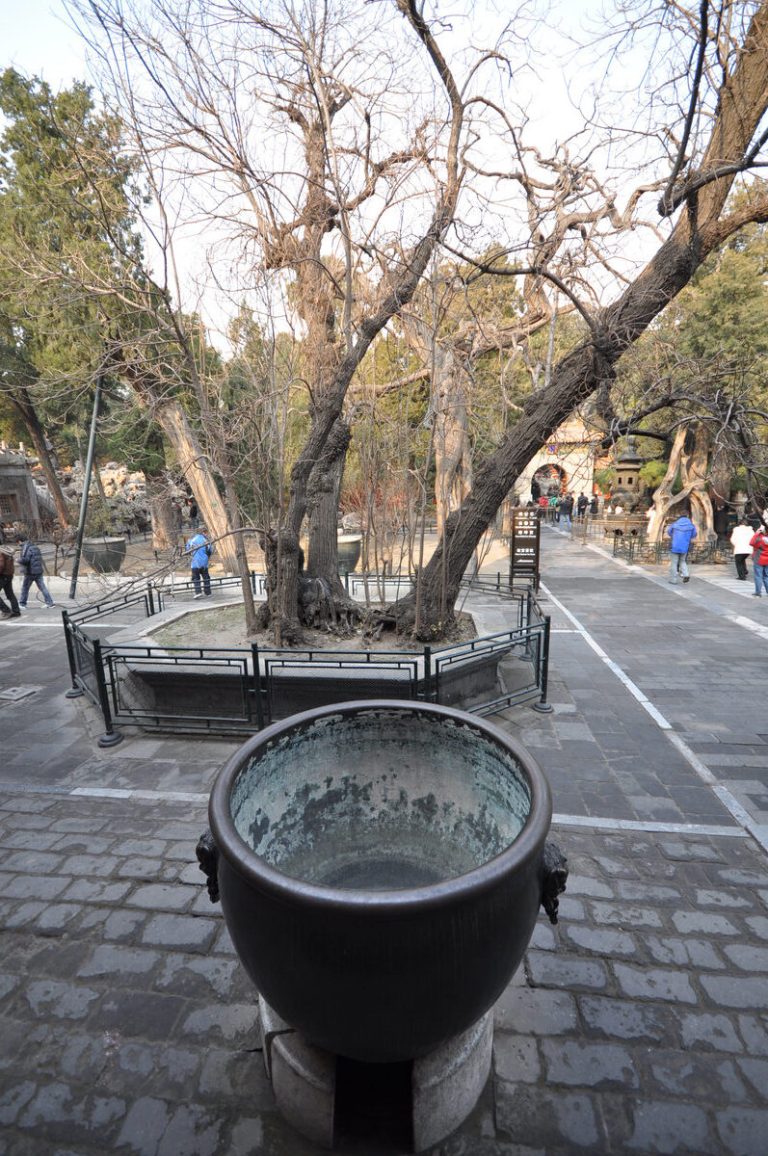
Skip anything that requires a long side detour without a clear payoff for your group. That may include a paid gallery, a crowded photo point, a second attempt at the same hall from another angle, or a nearby park after leaving the museum. Jingshan Park is excellent for the classic overlook, but it involves extra walking after the north exit and is not the right add-on for every low-stamina group. If you are considering it, compare your day against the Forbidden City and Jingshan Park route before promising the view to everyone.
Also skip any plan that depends on rushing. A wheelchair-accessible or stroller-friendly day is not only about surfaces; it is about decision space. You need time to find signs, ask staff, pause for a drink, wait for a crowd to thin, and change the plan without stress.
Weather changes the accessibility plan
Rain, heat, snow, and wind all matter more for slower groups. In rain, stone paving can feel less secure and umbrellas can make crowded passages harder to manage. In summer, open spaces can drain energy quickly. In winter, exposed courtyards can feel much colder than expected. If bad weather is likely, reduce the route before you arrive instead of trying to rescue an overambitious plan inside the museum. The Forbidden City rainy day guide is useful if your main concern is wet paving, shoes, and what to skip.
Before-you-go checklist
- Check the official Palace Museum visit page and service map close to your travel date.
- Book tickets only after confirming that your group can handle the entrance route, security checks, and north-exit plan.
- Choose a reduced central-axis route, not a full museum route.
- Use the first large courtyard as an early pace test.
- Keep bags light and avoid combining the palace with a luggage-heavy transfer day.
- Plan rest points before the central halls, before optional galleries, before the Imperial Garden, and before the north exit.
- Skip Jingshan Park, side galleries, or extra photo walks if the group is tired before the Inner Court.
- Give yourself a simple post-exit plan: taxi pickup area, nearby meal, hotel return, or a quiet break.
Bottom line
The Forbidden City can still be a strong Beijing highlight for wheelchair users, stroller families, and slower travelers, but the visit works best when it is deliberately smaller. Focus on the main south-to-north route, use official service information, take rest decisions seriously, and leave optional sections optional. A calm two-to-three-hour palace experience is better than a long checklist that turns the north exit into a problem.
Related Forbidden City Guides