Last checked: 2026-06-28. Ticketing, opening, security, and holiday arrangements can change; verify current Palace Museum instructions before travel.
A Forbidden City transport plan should begin with the shape of the visit: most travelers enter from the south side and finish toward the north side. That means the best arrival point and the best pickup point are often not the same place. If you treat the day like a simple round trip to one front door, the end of the visit can become unnecessarily tiring.
Traffic controls, security zones, pedestrian routes, subway exits, and pickup rules can change, especially around major public areas in central Beijing. Check the official Palace Museum visitor information, follow local signs, and confirm current navigation on your travel date. Use this guide to understand the planning logic before choosing subway, taxi, walking, or pickup arrangements.
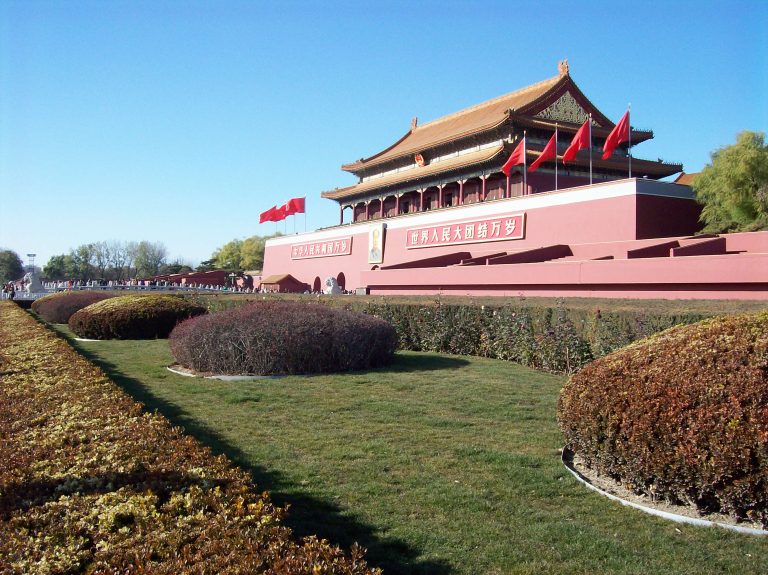
Start with the one-way route
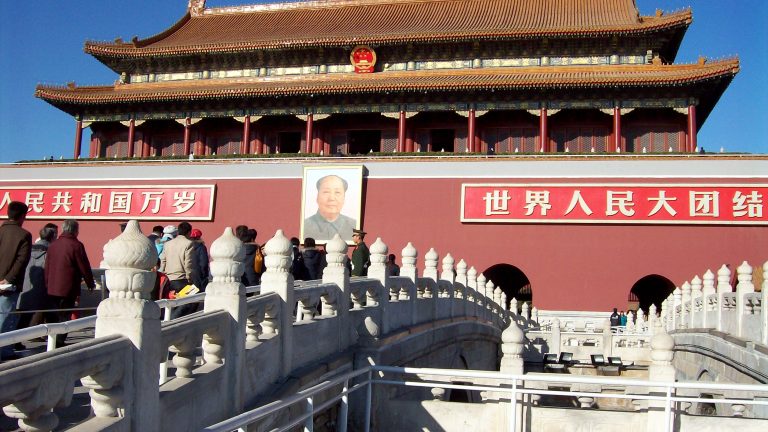
The Forbidden City is easiest to plan as a one-way sightseeing route. Visitors usually approach from the Tiananmen and Meridian Gate side, then continue north through the palace toward the Gate of Divine Prowess area. Even if your hotel is south of the palace, the end of the visit may leave you closer to Jingshan Park, Beihai Park, or a north-side transport pickup.
This matters because a weak transport plan can undo a good route. If your group expects to return to the same southern drop-off point after walking the entire palace, you may add unnecessary distance at the exact moment everyone is tired. Before booking cars or choosing subway stations, make sure the group understands where the visit begins and where it naturally ends.
For the basic geography, review the Forbidden City entrance and exit guide. Transport choices make more sense once the south-to-north movement is clear.
Subway works best when you allow walking time
The subway can be a reliable way to reach central Beijing, but it does not remove the need to walk. Around the Forbidden City and Tiananmen area, visitors may need extra time for station exits, security flow, pedestrian routing, traffic barriers, and general orientation. A station that looks close on a map may still require a careful walk before you reach the correct entry sequence.
Do not plan subway arrival as if stepping out of the station means stepping into the museum. Add a buffer. If your ticket time is important, arrive early enough to handle wayfinding without turning the first part of the day into a rush. This is especially important with children, older travelers, or anyone carrying a bag.
If your palace visit depends on a Tiananmen-side approach, coordinate the transport plan with the Tiananmen Square and Forbidden City entry order guide. The transport choice should support the entry sequence, not fight it.
Taxi or ride-hailing needs a realistic drop-off point
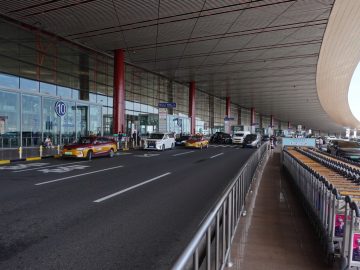
A taxi or ride-hailing car can be convenient from a hotel, but central Beijing drop-off rules and traffic conditions may not place you exactly where you imagine. Around sensitive public areas, drivers may need to stop where road access allows, and the final approach may still involve walking.
When using a car, choose a realistic meeting and drop-off plan rather than arguing over the last few hundred meters. Tell the group that some walking may still be part of the arrival. If someone in the group has limited mobility, build in extra time and avoid making the driver wait while the group is still sorting tickets, passports, or bags.
Cars are often less useful when the group is already close to the area and road traffic is heavy. In those cases, a controlled walk or subway approach may be simpler than sitting in traffic and still walking afterward.
Do not overload the arrival walk
The approach to the Forbidden City is not the time to carry a travel-day load. Heavy backpacks, shopping bags, and large luggage make the entry walk slower and make security checks more stressful. If your group is arriving after hotel checkout, train transfer, or airport movement, solve luggage storage before starting the palace day.
This is not only a comfort issue. A heavy bag affects timing, restroom stops, photo pauses, and the ability to keep the group together in busy areas. If the transport plan requires carrying too much from one side of Beijing to another, the plan itself needs to change.
Use the Forbidden City luggage and security check guide before deciding whether a car, subway, or hotel return makes more sense.
Plan the north exit before you enter
The north exit is where many transport plans become vague. After several hours inside the palace, the group may be tired, hungry, hot, cold, or ready to split up. That is not the ideal moment to decide where a driver should meet you, whether to climb Jingshan Park, or whether to continue to another attraction.
Before entry, choose one of three exit strategies. First, continue sightseeing nearby, such as Jingshan Park. Second, move toward a transport pickup and end the palace portion of the day. Third, continue to another nearby area only if the group still has energy. Do not leave all three options open without a decision point.
If you are considering the hill view after the palace, read the Forbidden City and Jingshan Park route guide. If your group is already tired at the north side, a pickup or meal plan may be better than forcing one more stop.
Meeting points need plain language
For groups, the best meeting point is not always the most famous landmark. It is the point everyone can recognize, reach, and describe if phones are low on battery or mobile data becomes weak. Use plain language: north exit area, a specific gate area, a nearby park entrance, or a hotel lobby after transport. Avoid vague instructions like “meet near the palace” or “go back to the front.”
Every adult should know the plan before entry. If one person controls the map, tickets, ride-hailing app, and group chat, the group becomes fragile. Screenshots, saved addresses, and a simple backup meeting rule can prevent a small delay from becoming a long search.
This matters even more when visiting with children or older relatives. A clear meeting plan reduces stress and lets the group focus on the palace rather than phone coordination.
When to continue to Beihai or another nearby stop
Beihai Park, Wangfujing, a meal stop, or a return to the hotel can all make sense after the Forbidden City. The right choice depends on energy, weather, hunger, and how much walking the group has already done. A nearby stop is not automatically a simple stop.
If the group is still comfortable, a nearby continuation can make the day feel efficient. If the group is tired, forcing another location because it looks close on a map can make the afternoon worse. Be honest about the state of the group at the north exit.
For Beihai specifically, compare the timing with the Forbidden City to Beihai Park route guide. The route can work, but it should not be treated as automatic after a long palace visit.
A practical transport checklist
- Before entry: decide whether you are arriving by subway, taxi, ride-hailing, hotel walk, or a mixed plan.
- Arrival buffer: add time for station exits, pedestrian routing, security flow, and the walk to the correct entry side.
- Bags: avoid carrying luggage or a heavy day pack through the palace route.
- North exit: choose whether the group will continue to Jingshan, arrange pickup, eat nearby, or end the sightseeing day.
- Meeting rule: make sure every adult knows the exit plan and a backup meeting point.
The best transport plan is not always the shortest route
Maps reward short distances, but palace days reward low-friction movement. A slightly longer walk with fewer decisions may work better than a theoretically closer pickup point that creates confusion. A subway approach may beat a car in heavy traffic. A north-side pickup may beat returning south after the whole museum route.
The Forbidden City is already a long visit. Good transport planning removes avoidable stress from the beginning and end of the day. Choose a plan that matches the one-way route, keeps bags light, and gives the group a clear exit decision before fatigue takes over.
Related Forbidden City Guides