Last checked: 2026-06-11. Ticketing, opening, security, and holiday arrangements can change; verify current Palace Museum instructions before travel.
Beihai Park looks close to the Forbidden City on a map, but it is not the same kind of easy add-on as stepping across to Jingshan Park after the north exit. It can be a very good second stop, especially for travelers who want lakeside scenery, the White Dagoba, and a quieter imperial-garden atmosphere after the palace, but it works best when you plan the route and energy honestly.
This guide is for visitors who will exit the Forbidden City at the Gate of Divine Prowess and are deciding whether to continue to Beihai Park on the same day. The main question is not whether Beihai is worth seeing. It is whether it fits after several hours of courtyards, security checks, walking, photos, and possible Beijing heat or rain.
Quick Planning Snapshot
- Best for: travelers with a full or flexible day who want a slower lake-and-garden finish after the Forbidden City.
- Not ideal for: rushed half-day visitors, families already tired after the palace, or anyone with evening reservations across town.
- Route logic: finish the Forbidden City northbound, exit at the Gate of Divine Prowess, then decide between Jingshan first, Beihai only, or stopping for transport.
- Time needed: allow roughly 1.5 to 3 extra hours for Beihai itself, plus transfer or walking time from the Forbidden City north exit.
- Current check: verify Beihai opening, ticketing, and any foreign-visitor purchase instructions on official Beijing/park channels before relying on an old screenshot.
Why Beihai Is Different From Jingshan
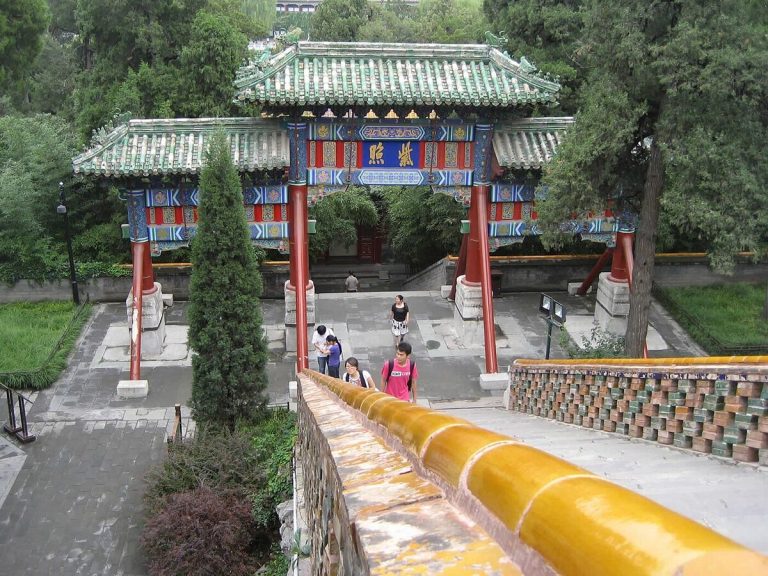
Jingshan Park is the most natural north-exit add-on because it sits immediately north of the Forbidden City and gives the classic rooftop view back over the palace. Beihai Park is also nearby, but it is a separate park to the west and northwest, with its own entrances, lake layout, tickets, and internal walking choices. That makes it a better add-on for visitors who still have time and legs after the Forbidden City, not for everyone who simply sees it on the map.
If your priority is the panorama over the palace roofs, read the Forbidden City and Jingshan Park route guide first. If your priority is a calmer imperial-garden setting with water, pavilions, the White Dagoba, and a more local Beijing park atmosphere, Beihai can be the stronger second stop. The two parks can be combined, but doing the Forbidden City, Jingshan, and Beihai on the same day is a long walking day, not a casual stroll.
Start With the Forbidden City Exit Plan
The Beihai decision should begin before you enter the Palace Museum. Most first-time visitors follow a south-to-north Forbidden City route, entering through the Meridian Gate and leaving through the Gate of Divine Prowess. That route matters because it places you on the north side of the palace at the end of the visit. If you are still unsure about gates, read the Forbidden City entrance and exit guide before adding Beihai to the day.
Do not plan Beihai as a backup for a poorly arranged Forbidden City morning. If ticketing, passport checks, Tiananmen-side access, or security lines already make the first half of the day stressful, adding another park can turn a good itinerary into a tiring one. Confirm your Forbidden City basics with the Forbidden City ticket guide for foreign visitors and the opening hours and best entry time guide first, then decide whether the extra stop is realistic.
A Practical Same-Day Route
Step 1: Keep the Forbidden City Route Focused
If Beihai is part of the day, avoid making the Palace Museum route too broad. A focused central-axis route with one carefully chosen side area is usually enough. Do not add every gallery, every side court, and every photo stop unless you are comfortable walking most of the day. The best Forbidden City route guide can help you compare a two-hour, half-day, and fuller Forbidden City route before choosing the Beihai add-on.
Step 2: Exit North and Pause Before Committing
After the Imperial Garden, leave through the Gate of Divine Prowess and pause before committing to the next stop. This is the moment to check your group honestly: feet, water, weather, bathroom needs, phone battery, and evening timing. If everyone is still comfortable, open a live map and set Beihai Park as the destination. Depending on the entrance you choose and the day’s traffic or pedestrian controls, the walk can feel longer than the map distance suggests.
Step 3: Choose Beihai Only or Jingshan Plus Beihai
If the sky is clear and you want the Forbidden City panorama, Jingshan first makes sense. If the group is already tired or visibility is poor, skip Jingshan and go directly toward Beihai or stop for transport. If you try to include both parks, keep Beihai simple: lake edge, White Dagoba view, one main scenic area, then leave. Treat the day as a route, not a checklist.
What to See in Beihai After the Palace
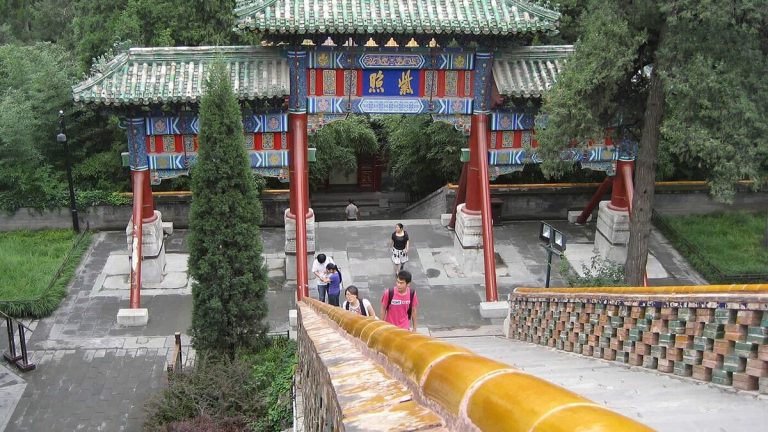
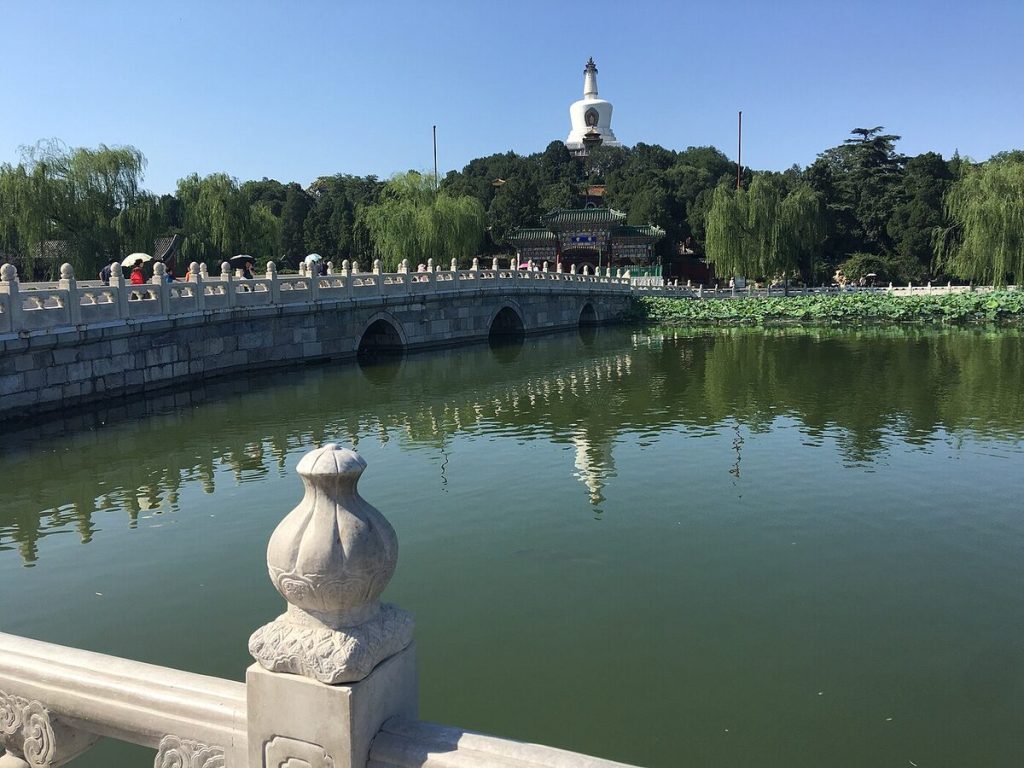
Beihai’s mood is different from the Forbidden City. The Palace Museum is about gates, axial halls, courtyards, imperial ceremony, and controlled visitor flow. Beihai is a lake park with islands, pavilions, trees, bridges, views across water, and local Beijing park life. That contrast is the reason it can work well after the palace: your eyes and pace change.
White Dagoba and Jade Islet
The White Dagoba on Jade Islet is the most recognizable Beihai landmark. It gives the park a clear visual center and makes the visit feel different from another palace courtyard. If you have limited time, aim for lake views and the White Dagoba area rather than trying to cover every corner of the park.
Lake Paths and Rest Time
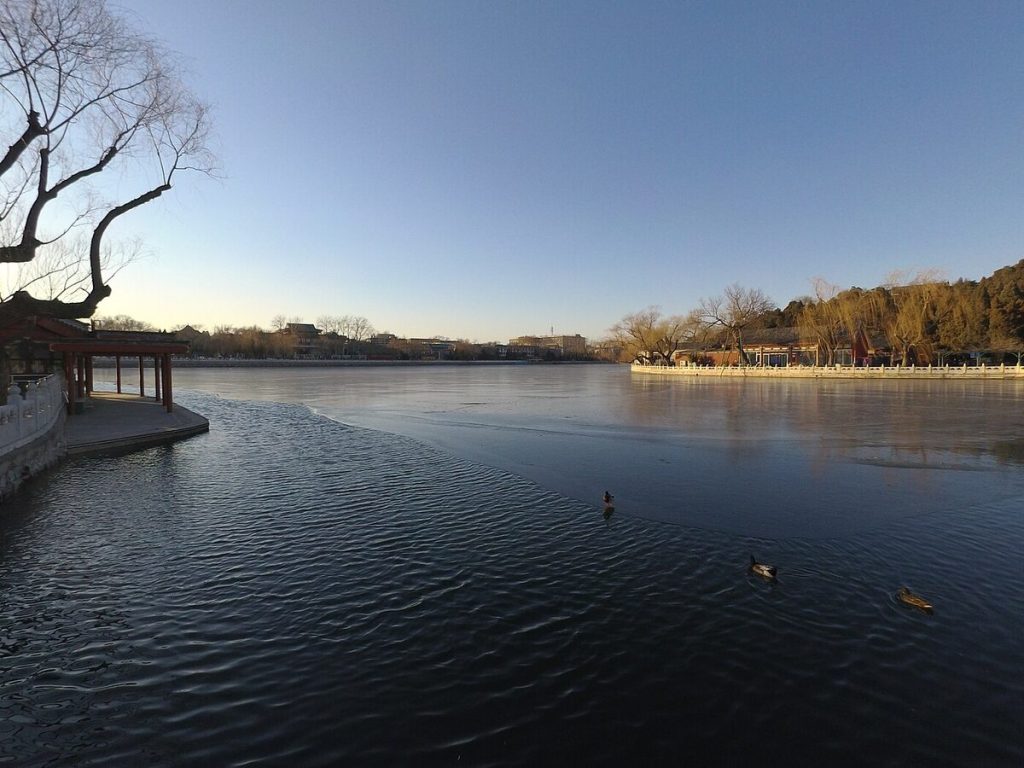
The lake paths are the main reason to choose Beihai after the Forbidden City. After hours of stone courtyards and rooflines, water, trees, and benches give the day a softer ending. This is especially useful for couples, solo travelers who like slow photography, and families who need a less compressed space after the palace.
Nine Dragon Wall
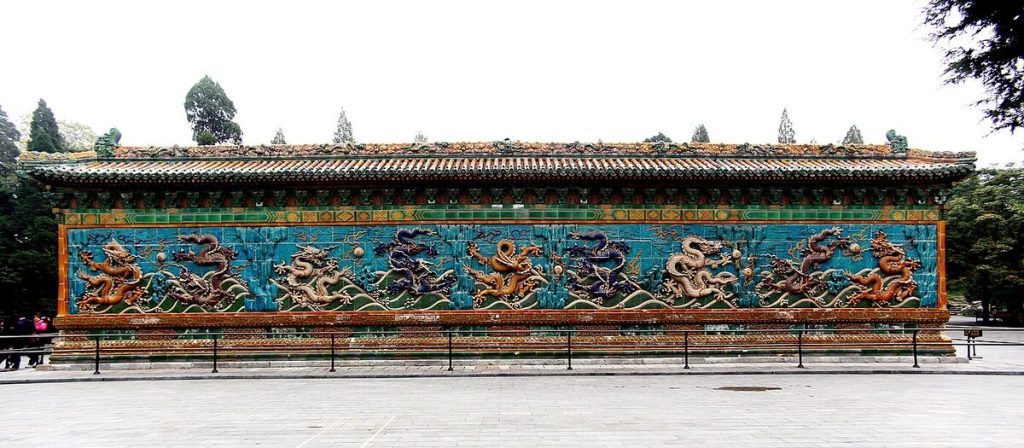
Beihai also has its own Nine Dragon Wall, which can be interesting if you liked the dragon-wall theme inside the Palace Museum. Do not treat it as mandatory, though. If you already visited the Forbidden City’s Nine Dragon Wall guide, the Beihai version is best added when your route naturally passes nearby and your group still wants another historic detail.
Ticketing and Opening Checks
Beihai Park is managed separately from the Palace Museum, so a Forbidden City ticket does not cover Beihai. Before you rely on Beihai as the second half of the day, check the current official Beijing page for Beihai opening hours, ticketing, entrance instructions, and scenic-spot hours. Some official pages and older visitor notes can differ, especially around foreign-visitor ticket purchase procedures, phone reservations, on-site ticket windows, and holiday arrangements.
Useful current-check sources include the Beijing official Beihai Park visitor page and the Palace Museum official website. If an official Beihai page gives a hotline, use it when your visit depends on a specific entrance, ticket type, or late-day admission. This matters most if you are visiting during a holiday, after a weather event, with children, or close to closing time.
When Beihai Is a Good Add-On
- You have already secured the Palace Museum visit and do not need to rush after exit.
- You started early enough that the north exit is not too late in the afternoon.
- Your group still wants to walk, not just sit in a car or go back to the hotel.
- You prefer scenery, lake views, and a softer park atmosphere after palace architecture.
- The weather is clear enough for outdoor walking, or at least comfortable enough for slow movement.
When to Skip It
- You only planned a Forbidden City half-day itinerary and already used most of your energy inside the palace.
- It is very hot, very cold, raining steadily, or visibility is poor. In wet weather, use the Forbidden City rainy-day guide before adding another outdoor stop.
- You have dinner, train, airport, or show plans that require punctual transport.
- You mainly want the best view back over the Forbidden City. In that case, Jingshan is the more direct choice.
- You are traveling with children or older family members who are already tired after the Forbidden City.
Simple Decision Rule
Use this rule at the Gate of Divine Prowess: if you still want a view over the palace, choose Jingshan; if you want water, trees, a slower pace, and have extra time, choose Beihai; if your feet are done, stop. The strongest Beijing day is not the one with the most dots on the map. It is the one that lets you remember what you saw instead of only remembering how far you walked.
For many first-time visitors, Beihai is best saved for a fuller Forbidden City day or a second central Beijing day. But when the timing is right, it gives a calm imperial-garden finish that balances the scale and intensity of the Palace Museum very well.
Related Forbidden City Guides