Last checked: 2026-07-23. Ticketing, opening, security, and holiday arrangements can change; verify current Palace Museum instructions before travel.
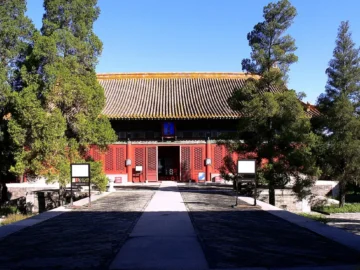
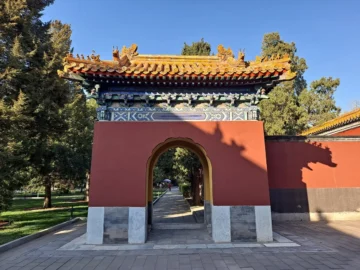
Zhihua Temple is a compact Ming-era temple in east Beijing and a useful contrast to the scale of the Forbidden City. It is not a palace extension or a place to squeeze in after every optional Palace Museum gallery. It works best as a deliberate second stop for visitors who want quiet courtyards, carved interiors, and the possibility of hearing Beijing ritual music when a current performance is scheduled.
The successful version of this day is simple: secure the Palace Museum first, keep its route focused, confirm Zhihua Temple’s current admission and performance arrangements separately, then travel east with enough time for the temple to feel unhurried. The temple is small, but a rushed arrival near the current last-entry cut-off defeats the point of visiting it.
Quick decision guide
- Good fit: you have an early Palace Museum entry, enjoy historic religious architecture and music, and can reserve 60 to 90 minutes for the temple.
- Check separately: ticketing, visitor capacity, opening days, last entry, and any music performance schedule are independent of the Palace Museum.
- Use a real transfer: Zhihua Temple is east of the palace area; plan taxi or public transport according to the route actually practical that day.
- Keep the palace visit selective: main route first, then one optional area at most if you want to reach the temple comfortably.
- Skip it when needed: a late Palace Museum start, weather fatigue, or an uncertain temple booking are reasons to save it for another day.
Why Zhihua Temple works after the Forbidden City
The Palace Museum is built around a long ceremonial progression. Zhihua Temple is read through a smaller sequence of courts and halls. That change of scale can be refreshing after the large palace complex, especially for visitors who prefer one carefully chosen historic setting over an evening of shopping or another broad city transfer.
Its architecture and surviving cultural traditions make the site more than a quick photograph. Yet it should remain a focused addition. Do not assume the day’s performance, interior access, or visitor route from a previous traveler’s video. The Beijing municipal government’s 2026 seasonal Zhihua Temple notice shows why arrangements can change, so check the current official announcement and the temple’s official account before committing to a date.
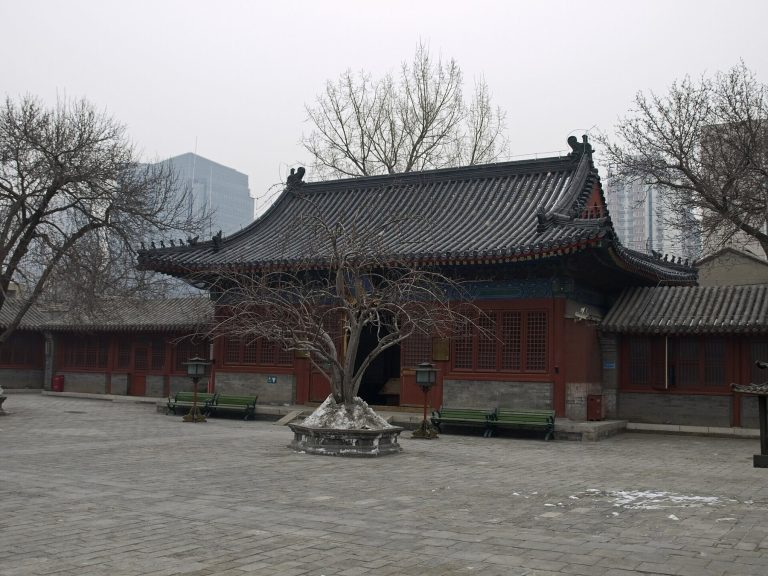
Start with the Palace Museum booking and route
The Palace Museum ticket is the non-negotiable part of the day. Begin with the official Palace Museum visitor information, then use the Forbidden City tickets guide for foreign visitors to prepare the booking process and arrival plan.
For this combination, follow a focused route through the main palace sequence. The best Forbidden City route guide can help you decide what belongs in the first half of the day. If you want the Treasure Gallery, Gallery of Clocks, every side court, and a long photo route, choose a different afternoon. Zhihua Temple works when the palace visit has a clear finish.
Leave the Palace Museum without forcing an exit
Zhihua Temple lies to the east of the Palace Museum area, but visitor circulation inside the palace can change. Follow the exit and staff direction actually in use rather than trying to force an east gate. Once outside, make the eastbound transfer from a sensible pickup point or subway connection.
Read the Forbidden City entrance and exit guide before the visit, then use the Forbidden City transport plan to allow for walking, traffic, security, and the time required to find the right temple entrance. A map may make the route look short, but the useful plan is the one with margin.
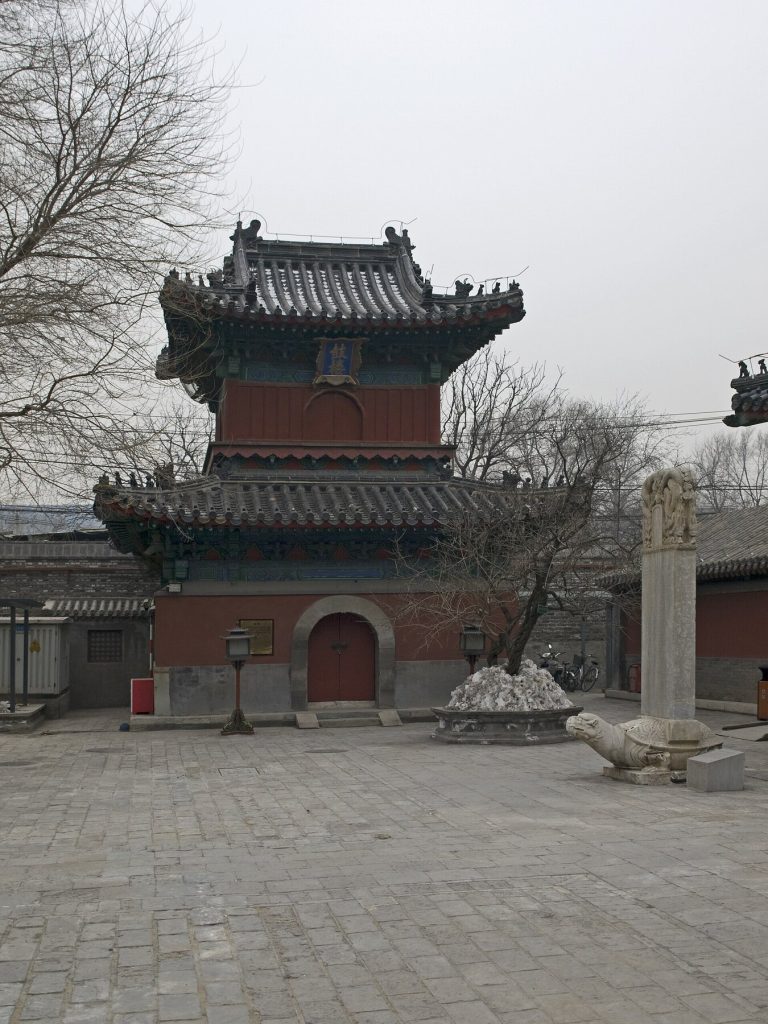
Tickets and music performances: confirm the current arrangement
Zhihua Temple has its own ticketing and capacity rules. Special seasonal arrangements may require advance booking, and the reservation window can change. Check the current temple announcement before travel rather than relying on an old price, a former walk-up policy, or a previous season’s booking window.
Beijing ritual music associated with the temple is a compelling reason to visit, but a performance should be treated as an optional bonus until you have confirmed the date, time, admission condition, and any venue rule. Arrive early when you have a confirmed performance, keep phones quiet, and do not assume that photography or recording will be allowed during it.
How long to allow
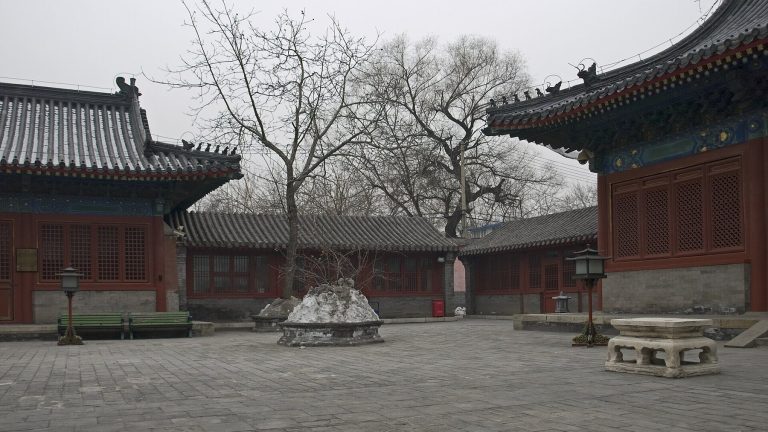
Plan 60 to 90 minutes for the temple itself, plus the transfer and entry procedure. That leaves enough time to read the courts and halls, look at the woodwork and decorative details, and pause for any confirmed performance. A shorter visit can still work, but only when your expectations are modest.
Take a water and food break before the transfer rather than expecting the temple to solve a long Palace Museum day. The Forbidden City food and drink plan helps place lunch and water before you leave the palace area, which makes the second stop calmer.
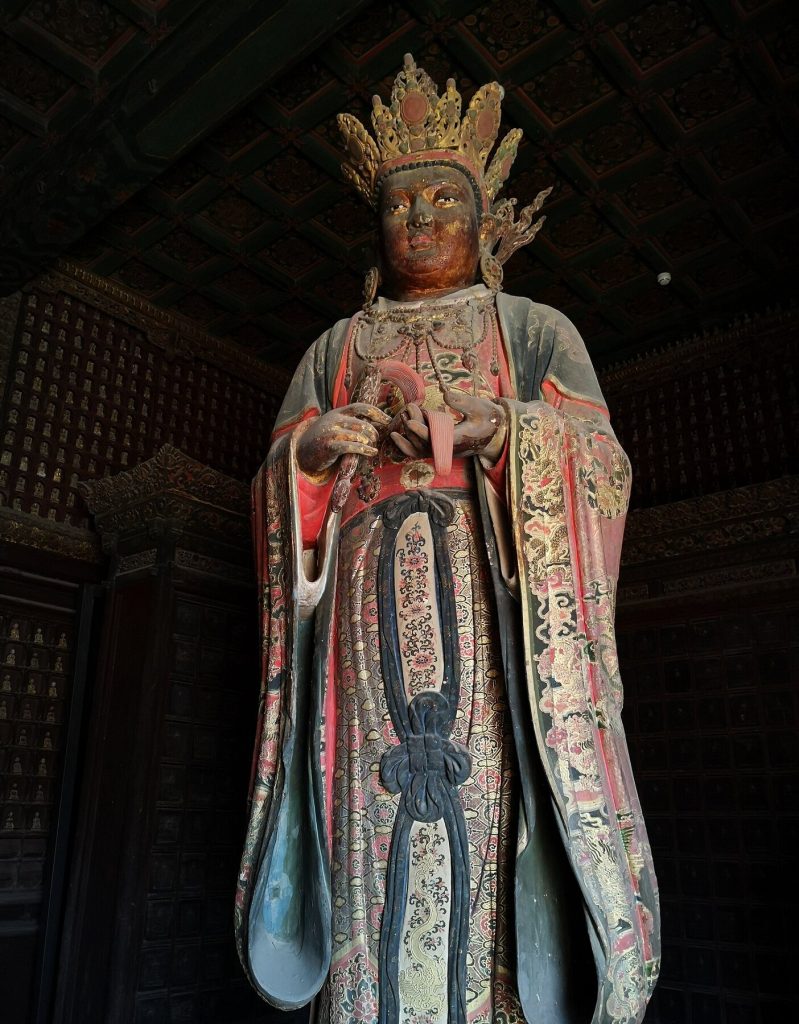
What to notice inside
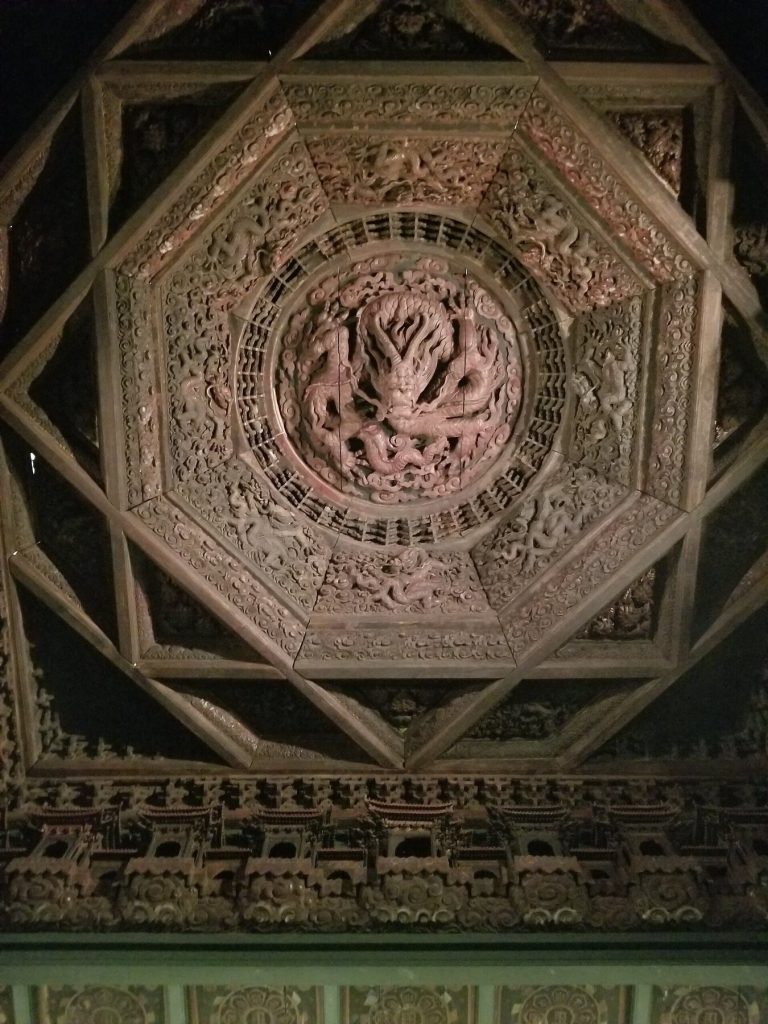
Start with the court sequence and building forms, then slow down around interior details where public viewing permits. The temple rewards attention to painted surfaces, carved wood, statues, and the relationship between the small courts and the surrounding east Beijing streets. It is a better experience when you select a few things to notice rather than trying to identify every historic object.
Historic halls may have barriers, low light, steps, narrow thresholds, or changing access. Respect the visitor route and staff guidance. Visitors who use a wheelchair, push a stroller, or need a low-stamina itinerary should treat the temple’s current physical access as a separate check and plan the larger first half of the day conservatively.
Choose one east-side continuation
Do not automatically combine Zhihua Temple with every east Beijing stop. A focused palace visit plus the temple is enough for most travelers. Adding another timed attraction can turn the day into transfers and missed entry windows.
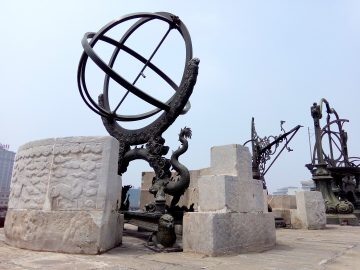
If you are choosing between a small historic temple and a scientific-history stop, compare it with the Forbidden City and Beijing Ancient Observatory same-day guide. Pick the one that matches your interest, confirm its current official rules, and leave the other for a separate morning or afternoon.
A practical route order
- Confirm separate official Palace Museum and Zhihua Temple access before the day begins.
- Enter the Palace Museum at the booked time and follow a focused main route.
- Finish the palace with enough margin for the eastbound transfer.
- Use the visitor exit actually in operation, then travel east by the practical option available that day.
- Enter Zhihua Temple according to the current ticket and visitor procedure.
- See the courts and halls at a measured pace, and treat a confirmed music performance as part of the visit rather than an interruption.
Related Forbidden City Guides