Last checked: 2026-07-16. Ticketing, opening, security, and holiday arrangements can change; verify current Palace Museum instructions before travel.
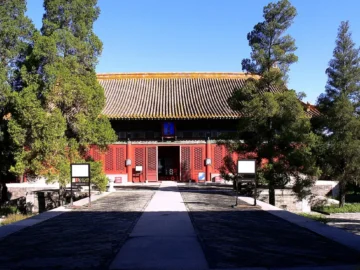
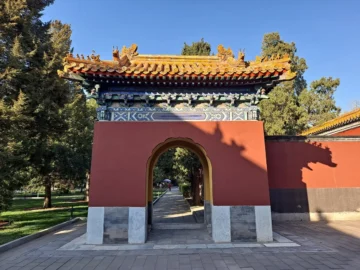
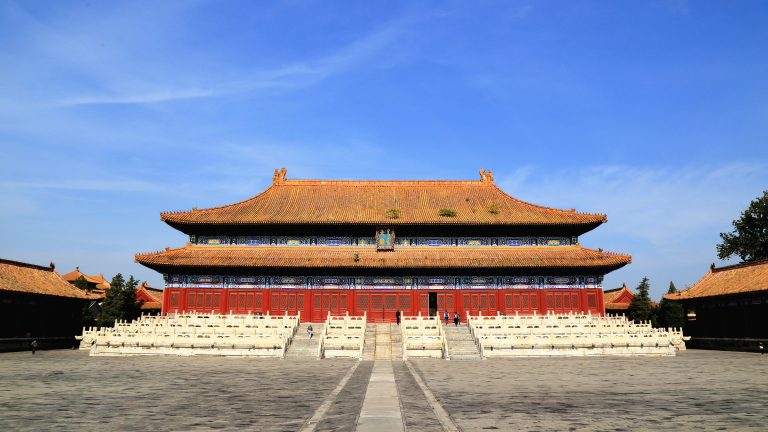
Beijing’s Imperial Ancestral Temple, usually called Taimiao, sits east of Tiananmen rather than inside the Palace Museum. It was the Ming and Qing imperial ancestral temple and is now part of the Beijing Working People’s Cultural Palace. That location makes it a sensible second stop after the Forbidden City for visitors who want another formal imperial setting without crossing the city.
The combination only works when the order is clear. Secure the Palace Museum visit first, keep the afternoon compact, and treat Taimiao as a separate site with its own entry, historic-building access, and current operating notice. Do not assume that a Palace Museum ticket covers it, or that an east-side exit is available in exactly the same way on every day.
Quick planning snapshot
- Best fit: a first or second Beijing day for visitors interested in the central imperial landscape, ceremonial architecture, and a calmer second stop after the palace.
- Start with the Palace Museum: book and enter according to the current official instructions, then decide whether your pace leaves enough time for Taimiao.
- Use the east side deliberately: the east-side route is the logical direction for Taimiao, but staff guidance and visitor routing on the day take priority over a fixed map plan.
- Check two sets of rules: the cultural palace park and its historic-building exhibition can have different access, ticket, and closing arrangements.
- Allow a focused visit: give the second stop about 60 to 90 minutes if you want to look carefully rather than rush through another large monument.
Why this is a better pairing than it first appears
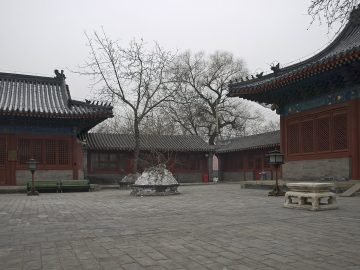
The Forbidden City explains imperial government and residential life through a long south-to-north sequence of courtyards and halls. Taimiao explains a different part of that world: ancestor worship and dynastic legitimacy. The scale is smaller, but the relationship between the main halls, side buildings, red walls, and open courts is still legible.
That difference matters when planning energy. A visitor who tries to add a third major booked attraction after the Palace Museum often ends the day watching the clock. Taimiao works better because it is nearby, visually related, and can be visited as a compact architectural walk. For the Palace Museum booking process itself, use the Forbidden City tickets guide for foreign visitors before building the rest of the day.
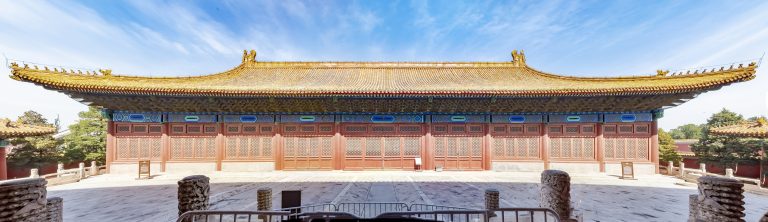
Put the Palace Museum first
The Palace Museum is the day’s fixed commitment. It requires advance planning, uses its own admission procedures, and deserves the freshest part of your attention. Start from the official Palace Museum visitor information, then choose a route that leaves you near the east side only if that direction is practical after the main halls.
If the central route is busy, do not cut across closed areas or force an exit simply to reach Taimiao. Follow the visitor circulation and staff instructions, then use public streets, a short taxi ride, or the nearest appropriate pedestrian route as conditions allow. The more useful goal is a calm second visit, not a theoretical minimum walking distance.
How to think about the east exit
Taimiao lies on the east side of Tiananmen, so an east-side Palace Museum finish can make geographic sense. In practice, exit availability, barriers, security routing, events, and crowd controls can change. Keep this as a route preference rather than a promise.
Before the visit, read the Forbidden City entrance and exit guide. On the day, use the exit you are directed to use. If you leave from the north, the pairing is still possible, but it becomes a broader Beijing transfer rather than a short continuation, and it may be better to save Taimiao for another morning.
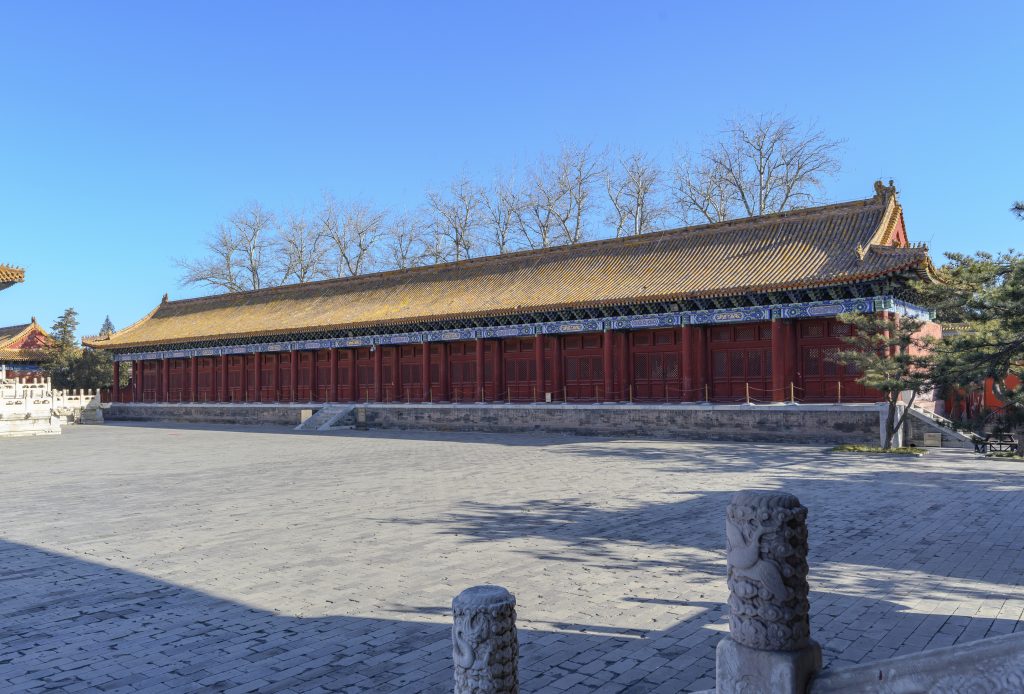
Tickets and current access: check the two sites separately
The Palace Museum ticket does not function as a Taimiao admission ticket. The Working People’s Cultural Palace publishes its own notices for the park and for historic-building visits. Its official page also distinguishes the broader park from the historic-building exhibition, so check the current notice before travel rather than relying on an old price, seasonal timetable, or Monday pattern from another guide.
The same check is especially important on Mondays, public holidays, major events, and days with changed security management around Tiananmen. Start with the Beijing Working People’s Cultural Palace visitor page, confirm the current entry arrangement, and keep a backup plan. A short walk around the east side or a return via Tiananmen can be enough if the historic section is unavailable.
A practical same-day route
- Morning: arrive for the Palace Museum according to your booked time and current entry instructions.
- Late morning: follow the main palace route at a sustainable pace; do not add optional galleries just to claim every stop.
- Early afternoon: decide honestly whether you still have 60 to 90 minutes of comfortable walking and attention for Taimiao.
- Transition: follow the exit and security routing actually in use, then head toward the cultural palace by the practical street route available that day.
- Taimiao: confirm the current ticket or exhibition arrangement, visit the main axis first, then look at the side halls and smaller structures if access permits.
- Finish: leave enough margin for the last entry time and the journey back to your hotel, train station, or evening reservation.
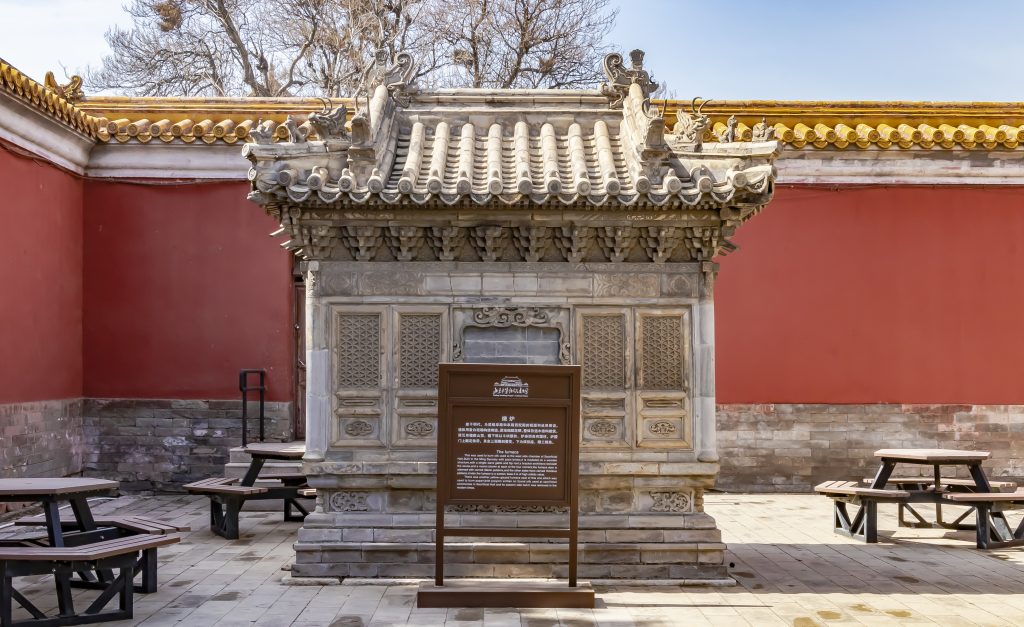
What to notice once you are inside
Begin with the main hall sequence rather than treating the site as a shortcut. The formality of the buildings, the rooflines, and the spacing of the courtyards are the point of the visit. Then slow down around the side structures and the details along the walls. This is a place for observation, not a checklist of indoor rooms.
Keep expectations realistic: public access can vary by zone, exhibition schedule, and current management. Respect barriers, do not rely on drone or tripod assumptions, and ask staff rather than stepping into a restricted court for a photograph. Visitors who want a focused Palace Museum route before adding this stop can use the best Forbidden City route for a first visit.
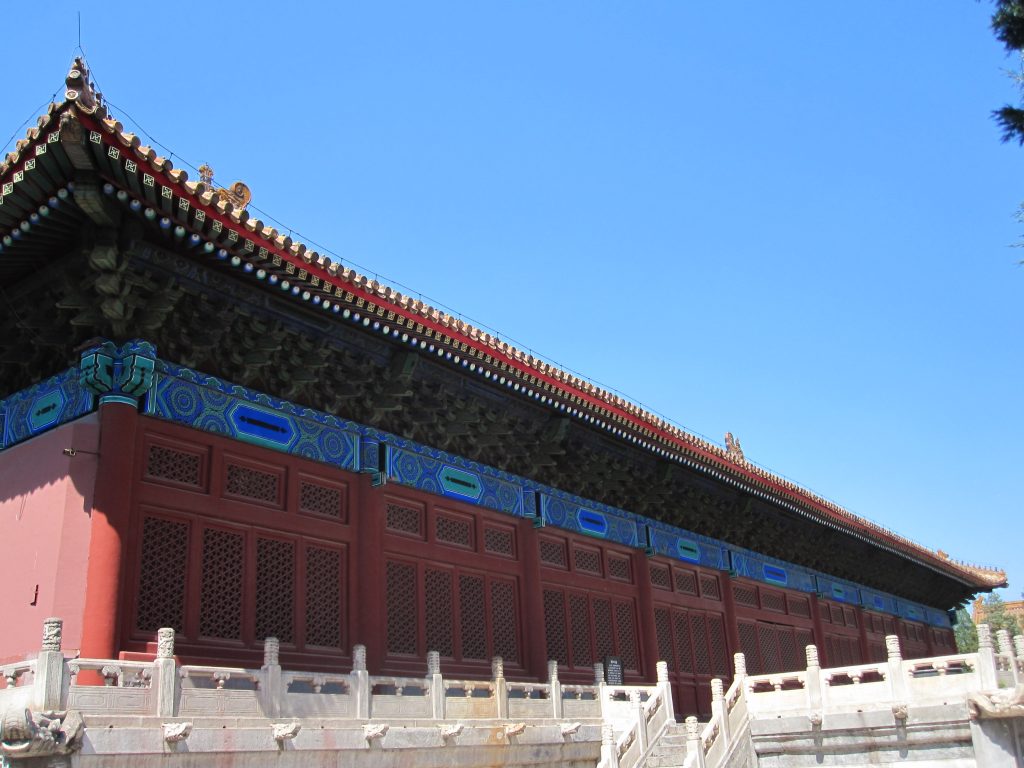
When to skip the pairing
Skip Taimiao on a short winter afternoon, after a slow Palace Museum visit, or when the current official notice does not leave a comfortable entry window. It is also the wrong add-on if the group needs a long seated break, has very limited walking tolerance, or has another timed booking on the opposite side of the city.
Do not combine this plan automatically with every Tiananmen-area landmark. Tiananmen Square can have its own reservation, security, and timing requirements; read the Tiananmen Square and Forbidden City entry-order guide separately. The National Museum is another independent, timed visit and is better planned using the Forbidden City and National Museum same-day route rather than stacked onto this itinerary.
Useful companion reading
For a broader day around Beijing’s historic core, the Forbidden City side routes on the Central Axis helps you choose one nearby continuation instead of overloading the itinerary. The strongest version of this Taimiao plan is simple: reserve the Palace Museum first, follow the route actually open, verify Taimiao’s official notice, and let the second stop remain optional until the day is moving well.
Related Forbidden City Guides