Last checked: 2026-06-19. Ticketing, opening, security, and holiday arrangements can change; verify current Palace Museum instructions before travel.
A self-guided Forbidden City visit works well if you make the route simple before you enter. The palace complex is large, signs and service points are helpful but not a substitute for a plan, and the best visit is usually a clear south-to-north route with only a few optional stops. If you arrive expecting to decide everything inside the museum, you may spend too much time reading maps when you should be moving with the visitor flow.
This guide is for independent travelers who do not plan to join a tour, but still want enough structure to understand where they are going. It explains how to use the official service map, visitor trails, audio or guide services, signs, and internal links before choosing what to see. If ticket booking is still unfinished, start with the Forbidden City tickets guide for foreign visitors first, because a good self-guided plan still depends on getting entry right.
Quick planning snapshot
- Best for: first-time visitors who want independence but not confusion.
- Core route: Meridian Gate to central halls, Inner Court, Imperial Garden, and north exit.
- Use official tools for: service map, visitor trails, audio guide points, exits, lavatories, first aid, and current facilities.
- Do before arrival: choose one main route and one optional add-on.
- Do inside: follow the south-to-north flow and avoid changing the whole plan after every signboard.
- Biggest mistake: treating the map as a checklist instead of a navigation tool.
The Palace Museum official English visit page lists practical sections such as Service Map and Visitor Trails. Check those pages close to your visit date, because facilities, route notices, exhibitions, and crowd-control details can change. Use this article to turn that official information into a realistic independent route.

Start with the route, not the map
The Forbidden City map can look like a grid of possible choices, but visitors do not experience it as a free-form museum. Most first-time travelers enter from the south, move through the palace complex, and leave from the north. That directional flow matters. A self-guided plan should begin with the basic route first, then use maps and signs to confirm decisions along the way.
For most independent visitors, the simplest route is the central axis: Meridian Gate, the first large courtyard, the Hall of Supreme Harmony area, the smaller central halls, the Inner Court, the Imperial Garden, and the Gate of Divine Prowess. If that structure is new to you, read the Forbidden City entrance and exit guide before choosing a time slot. It explains why entry and exit order affects the whole day.
What the official service map is good for
The official service map is most useful for practical decisions: where services are located, where exits are, where restrooms and first aid are shown, and where visitor services may be available. It is less useful as a sightseeing wish list. If you open the map and try to select every interesting label, your route will become too long. Use it instead to answer questions that affect comfort and timing.
Before entering, check where the main visitor service points are relative to your route. Inside the museum, signs and staff guidance matter more than a screenshot from earlier in the week. If your group includes older travelers, children, a stroller, or someone who needs a slower pace, combine this self-guided plan with the Forbidden City accessibility route guide.
How to use visitor trails without overplanning
Visitor trails are useful because they show that the palace can be understood as a sequence, not just a collection of halls. The problem is that independent travelers sometimes try to merge several trails into one day. That usually creates fatigue and confusion. Pick one main trail, then add only one optional section if time and energy allow.
If this is your first visit, make the central-axis trail your default. It gives you the strongest sense of the Forbidden City as an imperial palace complex. You can still pause for side views, roof details, bronze vessels, and courtyard photos, but those should support the route rather than replace it. The best Forbidden City route guide is helpful if you are still deciding between a two-hour, half-day, or one-day version.

Audio guide, labels, or human guide?
Many independent visitors can understand the Forbidden City with a route plan, signs, labels, and selective audio or guide services. The key is to match the tool to your attention span. If you like moving slowly and listening carefully, an audio guide can add context without forcing you to follow another person’s pace. If you prefer a fast overview, read only the most important labels and use your route plan to keep moving.
A human guide may be useful if your group wants deeper history, has limited time, or feels nervous navigating Beijing attractions independently. But a guide is not required for every visitor. If your main goal is a calm first visit, you can do well with a prepared route, a few priority halls, and current official service information. Do not turn the day into a lecture if your group mainly needs orientation, photos, and a clear exit plan.
What to understand before the central halls
The central halls are the part of the Forbidden City where a little preparation pays off. You do not need to memorize dynasties or palace titles, but you should know that the large southern halls were ceremonial spaces, while the northern Inner Court feels more residential and intimate. This helps you understand why the route changes in scale as you move north.
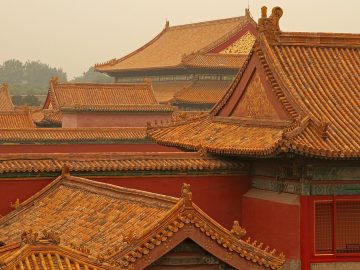
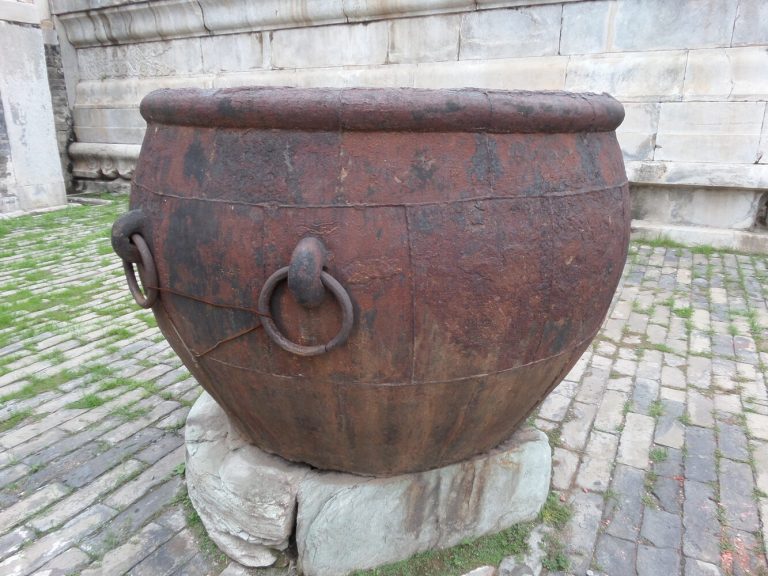
At the Hall of Supreme Harmony, avoid spending all your time fighting for one crowded angle. Step back, look at the terrace, roofline, bronze vessels, and open courtyard, then continue. If you want more detail on this stop, make it one of your pre-visit reading priorities rather than trying to study every label on the spot.
When to add a gallery
A gallery can make a self-guided visit richer, but only if it fits the day. Do not add a paid or side gallery simply because it appears on the map. Add one if your group has a specific interest, such as clocks, treasures, architecture details, or palace life, and if you have enough time after the central halls. Otherwise, save your energy for the Inner Court and Imperial Garden.
If you are deciding between a core route and extra galleries, compare the time cost before entering. The Treasure Gallery and Gallery of Clocks guide explains when those sections are worth adding and when they can make a first visit too crowded or too long.
Keep the north exit simple
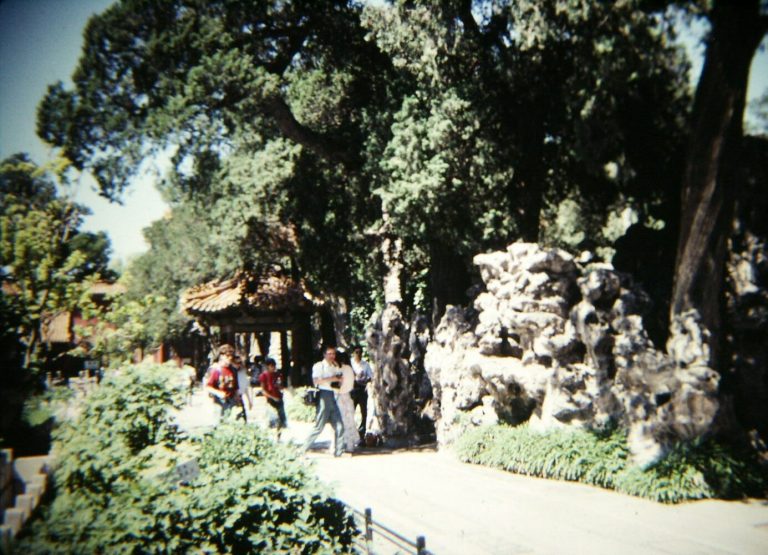
The end of the visit is where self-guided travelers often become tired and indecisive. By the time you reach the Imperial Garden and the north exit, the group has already crossed a large palace complex. Decide before you enter whether you are likely to continue to Jingshan Park, take a taxi, find food, or return to the hotel. Do not make the north exit the moment when everyone starts negotiating a new plan.
If you want the classic hilltop view over the Forbidden City, plan it as a separate decision. The route is rewarding, but it adds walking after the museum. The Forbidden City and Jingshan Park route can help you decide whether that add-on fits your group’s energy level.
Self-guided checklist
- Check the official Palace Museum visit page for current service map and visitor trail information.
- Confirm ticket, ID, entry, and opening details close to your visit date.
- Choose one main route before arrival.
- Add no more than one optional gallery or side section for a first visit.
- Use signs and service points to confirm your plan, not to rebuild it from scratch.
- Save energy for the Inner Court, Imperial Garden, and north exit.
- Decide your post-exit plan before entering the museum.
Bottom line
A self-guided Forbidden City visit is not about seeing less; it is about making fewer decisions at the wrong time. Use the official map and visitor trails as support tools, not as a checklist. Pick a clear south-to-north route, understand the main sequence before you enter, and keep optional galleries optional. That gives you enough structure to enjoy the palace without feeling lost inside it.
Related Forbidden City Guides